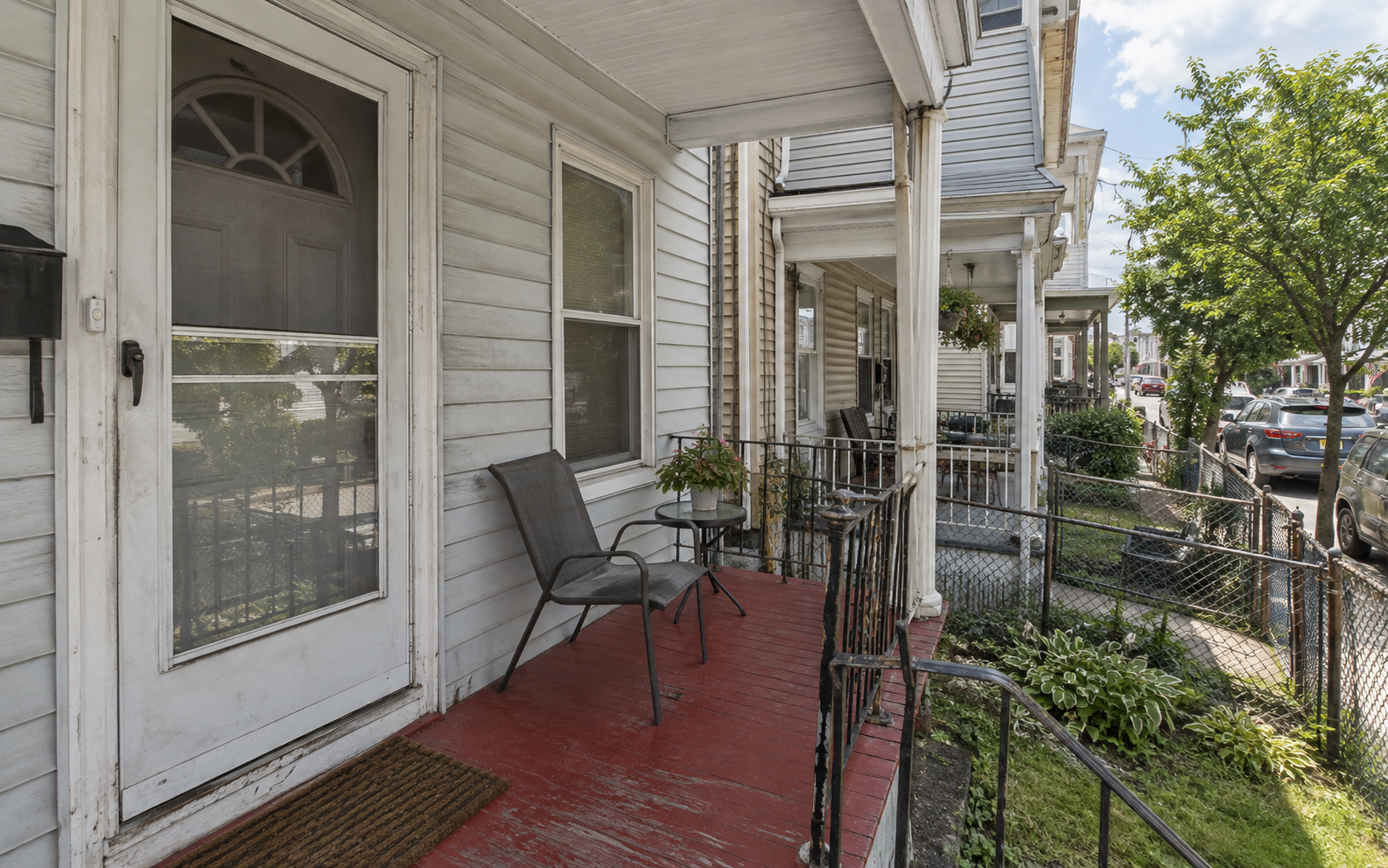
Deciding to sell your house as-is can feel like unfamiliar territory, especially when so much of what circulates online about as-is sales is simply wrong. Sellers in Haverhill, MA hear a lot of half-truths about what this process involves, and those misconceptions can lead to poor decisions or unnecessary hesitation. Clearing up the most common myths is one of the best things you can do before deciding how to move forward.
Does Selling As Is Always Mean Getting a Low Price?
This is one of the most persistent misconceptions, and it deserves a direct answer. The idea that an as-is sale automatically means a drastically reduced price ignores how these transactions actually work.
Where the Low-Price Assumption Comes From
The assumption usually starts with a comparison to traditional sales. A homeowner who renovates, stages, and waits months for the right buyer may receive a higher top-line number. That comparison makes an as-is offer look smaller by default.
But the comparison skips several important factors:
- Agent commissions, which typically run 5% to 6% of the sale price
- Repair costs that sellers handle before or after inspection
- Carrying costs such as mortgage payments, insurance, and utilities during a longer listing period
- Closing costs that eat into the final number
When you subtract all of those from a traditional sale, the gap between that figure and a fair cash offer on an as-is home often narrows considerably.
What Determines the Offer on an As-Is Home
An offer on an as-is property rests on the home’s current condition, comparable sales in the area, and the realistic cost of any work needed after purchase. It is not a random low number pulled from thin air.
In Haverhill, neighborhood trends, lot size, location relative to schools and commuting routes, and recent sales of similar homes all influence property value. An investor who understands the local market prices an offer accordingly, not arbitrarily.
The Real Cost Comparison
A seller who accepts a slightly lower cash offer but skips repairs, agent fees, and months of carrying costs may walk away with a similar net amount. In some situations, the seller keeps more. The math depends on your home and circumstances, but the blanket belief that as-is sales always lose money does not hold up.
Is an As-Is Sale Only for Homes in Bad Shape?
Another widespread myth says as-is sales are reserved for condemned properties, homes with serious structural damage, or houses no traditional buyer would consider. That is not accurate.
The Range of Homes Sold As Is
Homeowners choose to sell as is for many reasons unrelated to the property’s physical condition. A home can be perfectly livable and still sell without repairs or updates. Common situations include:
- Inherited properties where the heirs live out of state and cannot manage renovations
- Divorces where both parties want a clean, fast resolution
- Landlords tired of managing a rental who want to exit quickly
- Seniors downsizing who do not want to prepare a home for the market
- Homeowners facing financial hardship who need to simplify their options
In all of these cases, the home may be in decent shape. The as-is designation reflects how the seller wants to handle the transaction, not whether the house is falling apart.
What As Is Actually Signals to Buyers
To an investor or cash buyer, an as-is sale means no repair negotiations after inspection and no contingencies tied to renovation requests. It does not mean the home is unlivable or without value. Many as-is homes in Haverhill and across Essex County are solid properties that simply need updating or light cosmetic work.
Condition Is Just One of Many Factors
Even when a home has significant issues, it is rarely unsellable. Experienced buyers factor in fire damage, aging systems, deferred maintenance, and code violations. Selling as is in these cases means letting someone else handle the work.
Do Buyers Always Back Out of As-Is Deals?
Some sellers hesitate to pursue an as-is sale because they have heard stories about deals falling apart. The fear is that a buyer will agree to purchase as-is, complete their due diligence, and then walk away anyway. Deals can fall through in any type of real estate transaction, but a cash purchase removes several of the most common causes.
Why Traditional As-Is Listings Sometimes Fall Through
When a home is listed as-is on the open market through a real estate agent, it can attract buyers who are not fully prepared for what they are taking on. A buyer using traditional financing may hit an appraisal issue or find that their lender requires certain repairs before approving the loan. That friction can cause deals to collapse even when both sides want to proceed.
How Cash Buyers Approach the Process Differently
When you work with a cash buyer, the financing uncertainty disappears. No lender is involved, no appraisal contingency applies, and no requirement exists to bring the property up to a certain standard before funds are released. The offer rests on what we have already reviewed, and the path to closing is much more direct.
This is one of the clearest advantages of an as-is cash transaction compared to listing on the open market. The deal is structured from the beginning to accommodate the property’s current condition.
What Reduces the Risk of a Deal Falling Apart
Deal reliability improves when the buyer is experienced, properly funded, and transparent about the process. Before agreeing to any offer, ask the buyer how they fund their purchases, whether they have handled similar properties, and what their typical closing timeline looks like. A prepared buyer gives you a more dependable transaction. For Haverhill homeowners weighing their options, selling your house as-is to a cash buyer in Haverhill lets you skip the repair negotiations and financing risks that fuel most of these myths.
Frequently Asked Questions
Will I always lose money if I sell my house as is?
Selling as is does not automatically mean losing money. Once you factor in what a traditional sale costs, including agent commissions, repair expenses, and holding costs during a longer listing period, an as-is cash offer can result in a comparable or stronger net outcome depending on your property and situation.
Can a home in good condition be sold as is?
A home in good condition can absolutely be sold as is. Many sellers choose this path not because their property has serious problems, but because they want a simpler, more direct transaction without the back-and-forth of repair negotiations or staging requirements.
How can I make sure a cash deal does not fall through?
We base our offers on a thorough review of the property before anything is signed, so fewer surprises arise later in the process. Because we purchase without lender financing, no appraisal requirement or loan approval can derail the deal late in the process.