Home improvements with the best ROI are not always the most expensive ones. In fact, some of the upgrades that feel the most impressive to a homeowner end up returning very little at closing. Knowing where to spend your money before listing can mean the difference between walking away with more equity and watching your renovation budget disappear without a payoff.
Which Rooms Give You the Best Return on Home Improvements?
Not every room in your house carries equal weight with buyers. Some spaces drive purchase decisions. Others are simply expected to be clean and functional. Understanding that difference before you start spending is a wise move.
The Kitchen: Small Changes, Big Impact
Kitchens can have a strong influence on buyer perception because they are highly visible and expensive to renovate, but their importance varies by buyer and property. But a full gut renovation rarely pays off at resale. According to the Cost vs Value Report, a major upscale kitchen remodel typically returns less than 60 cents on every dollar spent.
A minor kitchen remodel is a different story. Swapping out cabinet fronts, adding a fresh coat of paint, replacing dated hardware, and installing new countertops in a mid-range material may improve presentation and marketability, depending on the home and local buyer preferences. Buyers notice a kitchen that feels updated, clean, and functional. They do not need marble floors or custom cabinetry to feel good about the space.
Focus on surfaces that photograph well and on age marks that buyers will notice immediately, such as stained grout, peeling laminate, or cabinet doors that do not hang straight.
Bathrooms: Return Without Overbuilding
A full bathroom addition can add real value, but the returns are strongest when the work is targeted rather than total.
Refinishing a bathtub instead of replacing it, adding new fixtures, regrouting tile, and upgrading lighting are all low-cost moves that signal a well-maintained home. Buyers in Haverhill and surrounding areas are not typically looking for spa-level finishes. They want a bathroom that feels clean, updated, and free of visible problems.
Before adding a bathroom, compare the project cost with recent sales of similar homes with one or two bathrooms. The financial effect depends on layout, permitting, square footage, and neighborhood demand. Overbuilding for your market is one of the fastest ways to lose money on a pre-sale renovation.
Curb Appeal: The First Impression That Matters Most
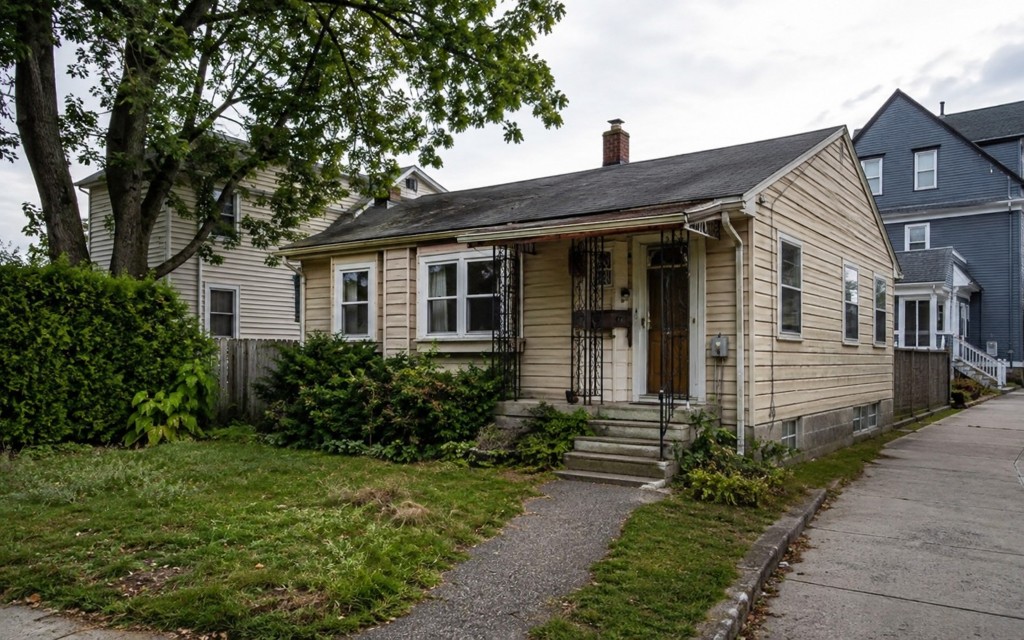
Before any buyer walks through your front door, they have already formed an opinion from the street. Curb appeal improvements deliver some of the highest returns of any category, and most of them cost very little.
A fresh coat of paint on the front door, new house numbers, clean landscaping, and power-washing the exterior can transform how a home feels from the outside. The garage door is worth special attention. Replacing an outdated garage door is one of the most cost-efficient upgrades in the Cost vs Value Report year after year, often returning over 90 percent of the investment.
These are not glamorous upgrades. But they work because they shape a buyer’s emotional response before they ever step inside.
What Do Buyers in New England Actually Pay More For?
Understanding buyer behavior in this specific region matters more than any national average. New England buyers tend to be practical. They think about heating costs, moisture issues, and long winters. Upgrades that address those concerns often carry more weight here than in other parts of the country.
Energy Efficiency and Insulation
Energy-efficiency improvements may appeal to some Massachusetts buyers, especially when they address documented issues with insulation, heating, or air sealing. Their resale impact should be evaluated alongside actual project cost and available efficiency incentives.
Upgraded insulation, new windows with proper seals, and modern HVAC systems all contribute to a home’s appeal in this market. Improvements to major systems may reduce concerns when those systems are otherwise outdated or defective, although inspections can still identify unrelated issues.
Fresh Paint and Flooring
These two improvements appear on almost every resale value list, and for good reason. Fresh, neutral paint throughout a home makes every room feel larger and cleaner. It is one of the cheapest improvements you can make and one of the most visually impactful.
Hardwood floors in good condition are a genuine selling point in Haverhill, MA. If yours are scratched or dull, refinishing them costs far less than replacing the carpet and gives buyers a floor they can be proud of. Worn or heavily stained flooring may affect presentation, but replacement should be evaluated against cleaning, repair, and as-is listing options.
Basement and Water Issues
Buyers in this region are conditioned to look for water damage, mold, and foundation problems. A dry, clean basement signals a well-cared-for home. If there is a history of moisture, water intrusion, or suspected mold, address active problems appropriately and do not conceal known material conditions.
Home equity grows when buyers trust what they are buying. A basement that smells musty or shows staining will chip away at offers, even if everything else looks sharp.
Which Upgrades Are Rarely Worth the Cost?
Some renovations feel like smart investments but rarely deliver at resale. Spending money in the wrong places can actually hurt your position by raising your asking price expectations while doing little to increase what buyers are willing to pay.
Luxury Finishes That Outpace the Neighborhood
A home is always valued in the context of what surrounds it. Installing high-end finishes in a neighborhood of modest homes means buyers will not pay a premium for them because the market will not support it. Heated floors, custom built-ins, and professional-grade appliances are personal choices. They rarely come back to you at the sale price unless your neighborhood justifiably commands them.
Swimming Pools
In warmer climates, a pool can add value. In Boston, MA, it is a much harder sell. A pool may appeal to some buyers and deter others. Its effect on value depends on condition, maintenance costs, lot size, insurance considerations, and buyer demand. Maintenance costs, safety concerns, and the short swimming season make it an upgrade that can actually reduce your buyer pool rather than expand it.
Full Bathroom or Room Additions
Adding square footage sounds like a guaranteed win, but additions are expensive, slow, and rarely recoup their full cost. Unless your home is genuinely underbuilt for the neighborhood and buyer demand clearly supports the extra space, the cost of a full addition rarely translates to an equal increase in your listing price.
It is worth getting a realistic estimate from a local contractor and comparing it honestly against what similar homes in your area are actually selling for before committing.
Frequently Asked Questions
What home improvements have the best ROI before selling a house?
Some targeted kitchen, bathroom, and exterior projects may yield favorable cost-to-value results, but the strongest option depends on the property, local comparables, project cost, and current market conditions. Curb appeal improvements, including fresh exterior paint and garage door replacement, also consistently perform well in the Cost vs Value Report. Energy-efficient upgrades carry extra weight in New England markets, where buyers factor in heating and utility costs.
How much should I spend on home improvements before listing?
The right budget depends on your home’s current condition and the price range of comparable homes nearby. Overspending relative to your market is a common mistake that leads to disappointing returns. A general rule of thumb is to focus on high-visibility repairs and cosmetic updates rather than structural additions or luxury finishes unless your neighborhood clearly supports them.
Is it better to renovate or sell as-is?
Renovating can increase your sale price, but it also takes time, adds stress, and does not always return what you put in. Selling as-is can make sense when the cost of improvements outweighs the likely increase in the offer price, or when your timeline does not allow for a renovation. At New England Home Buyers, we speak with Leominster homeowners who are comparing renovation with selling the property in its current condition. The better financial choice depends on contractor estimates, the expected sale price, transaction costs, and the home’s actual condition.