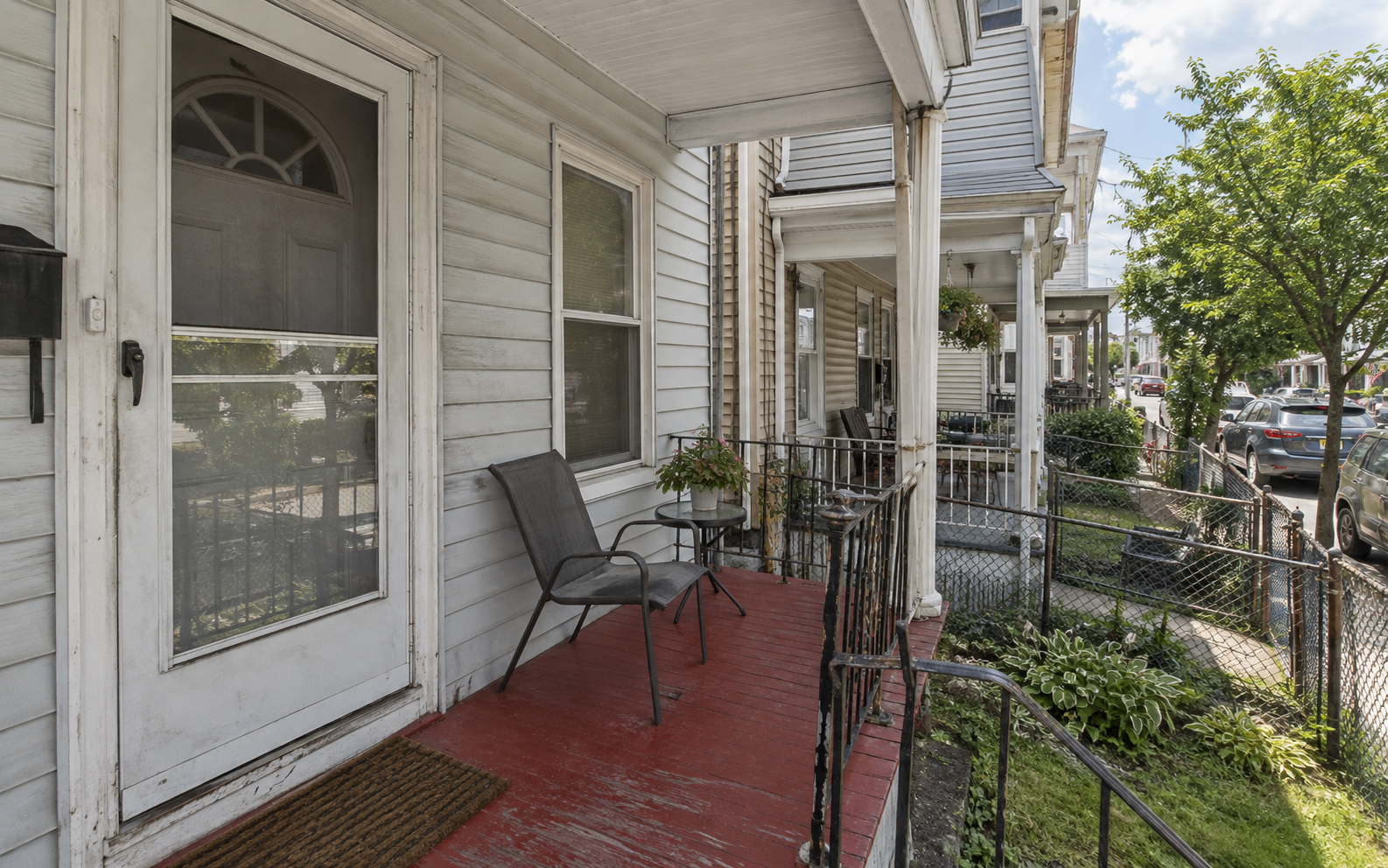
If you want to sell a rental property fast, the condition of that property may be the single biggest factor standing between you and a smooth closing. Rental homes carry a different kind of wear than owner-occupied homes, and that difference shows up directly in what buyers are willing to pay and how long it takes to get a deal done. Understanding where your property stands before you decide how to sell can save you from costly surprises down the road.
Why Do Rental Properties Often Sell for Less Than Owner-Occupied Homes?
Rental homes frequently sell for less than comparable owner-occupied properties, and the reasons are practical. Years of rotating tenants, deferred upkeep, and landlord-grade finishes all factor into how buyers assess value.
The Reality of Tenant Wear
Tenants use a home differently than owners do. Scuffed walls, worn flooring, stained carpets, and minor damage to doors and fixtures show up in almost every rental that has housed multiple households over the years. None of these issues is catastrophic on its own, but together they paint a picture of a home that needs attention. Buyers see the work ahead and price accordingly.
Deferred Maintenance Costs Add Up
Deferred maintenance is one of the biggest drivers of price reductions on rental properties. When landlords focus on keeping a unit occupied instead of addressing smaller repairs, those repairs quietly stack up. An aging roof, an HVAC system past its useful life, or plumbing that’s been patched rather than properly fixed can all weigh heavily on appraised value. Buyers and their inspectors will find these issues, and the negotiations that follow almost always favor the buyer.
How Do Buyers Price In Property Condition?
Investors buying rental properties run the numbers before they ever walk through the door. They factor in estimated repair costs, carrying costs, and their target return. The further a property falls from move-in ready, the deeper the discount they need to make the math work. Retail buyers — even those open to purchasing a rental with tenants or visible wear — often rely on traditional financing, which adds another layer of scrutiny through appraisal and inspection.
The pattern is consistent: property condition carries an outsized influence on both the final sale price and how long it takes to find a buyer who will close.
What Repairs Do Landlords Actually Need to Make Before Selling?
This is the question most landlords wrestle with. Spending money on a property you are trying to exit feels counterintuitive. The answer depends on which type of buyer you are targeting.
Repairs That Keep Your Sale From Falling Apart
Some issues aren’t optional if you plan to sell through a traditional listing. Lenders require that a home meet minimum habitability and safety standards before they will fund a loan. Active roof leaks, faulty electrical panels, non-functional plumbing, or serious structural concerns can cause a conventional sale to collapse at the appraisal or inspection stage. If you are going after a retail buyer, addressing these items before listing protects the deal from unraveling.
Cosmetic Repairs: Worth It or Not?
Cosmetic updates — fresh paint, new carpet, updated light fixtures — can improve buyer perception. They signal that the property has been cared for and make it easier for a buyer to picture moving in. That said, the return on cosmetic investment in a rental is inconsistent. A rental in Hooksett that needs only light cleaning and paint is in a very different position than one in Amesbury that requires a full kitchen overhaul. Spending heavily on finishes you won’t recoup rarely makes sense for a landlord who wants a clean exit.
Using Repair Credits Instead
Rather than completing repairs yourself, you can offer repair credits to the buyer at closing. This lets the buyer choose their own contractors and materials — which many buyers prefer anyway. The credit comes directly off your net proceeds, but it avoids the time and hassle of managing renovations on an occupied or recently vacated rental. For landlords who want to keep things moving, repair credits on a rental property can be a smart middle ground between selling as-is and sinking money into full updates.
Does Selling As-Is Make Sense for a Worn Rental Property?
An as-is sale means selling the property in its current condition without making repairs or offering credits. It is a legitimate and increasingly common approach, especially among landlords who have managed a property for years and are ready to move on.
What As-Is Actually Means
Selling as-is does not mean hiding problems. Massachusetts law still requires you to disclose known material defects. What it means is that you are not agreeing to fix anything as part of the transaction. The buyer takes the property in its current state, and the agreed-upon price reflects that.
Who Buys As-Is Properties
Cash buyers and investors make up the primary market for as-is rentals. These buyers know how to assess the value of homes that need work, and they don’t rely on bank financing that requires a clean inspection. They factor in the condition, make an offer, and move forward — without the drawn-out contingency process that slows traditional sales. For a landlord trying to sell a rental property fast, the as-is route eliminates a lot of unnecessary back-and-forth.
The Trade-Off You Are Making
Selling as-is to a cash buyer typically means accepting a price below what a fully repaired home would bring on the open market. That is the honest trade-off. What you gain is simplicity: no contractor scheduling, no repair timelines, no financing falling through at the last minute, and no carrying costs piling up while you wait. For many landlords in Massachusetts — especially those dealing with difficult tenants, aging systems, or years of deferred maintenance — that trade-off makes clear financial sense.
Frequently Asked Questions
How much does tenant damage lower the value of a rental property?
The impact depends on the extent and type of damage. Cosmetic wear like scuffed walls or worn flooring tends to reduce value modestly, while damage to major systems or structural problems can lead to deeper discounts. Investors typically subtract estimated repair costs plus a risk buffer, so the more extensive the damage, the lower the offer.
Do I have to disclose rental property problems in Massachusetts?
Massachusetts sellers must disclose known material defects that could affect a buyer’s decision. Selling as-is does not exempt you from disclosure requirements. We recommend working with a real estate attorney familiar with Massachusetts law before listing or signing any purchase agreement.
Is selling as-is a good option if my rental has major issues?
For rentals with significant deferred maintenance or condition problems, an as-is sale to a cash buyer can be the most straightforward path. It removes the need for repairs, sidesteps financing contingencies, and lets the transaction move forward based on the property’s actual condition. We can review your property and give you an honest offer based on what we find.