Selling a house with lead paint in Massachusetts can feel overwhelming, especially if you’re unsure what the law requires or what happens if you skip a step. Lead paint is common in older New England homes, and Massachusetts has some of the strictest rules in the country. Understanding your legal obligations before you list gives you a clearer path forward, no matter which selling route you choose.
What Does Massachusetts Law Say About Selling a Home with Lead Paint?
Massachusetts follows federal rules but adds its own layer of requirements. Both sets of rules apply when you sell a home, and knowing the difference between them helps you avoid costly mistakes.
The Federal Baseline: Disclosure Is Required
Under federal law, any home built before 1978 must come with a lead paint disclosure. Sellers must give buyers a specific form that explains the known presence of lead-based paint or lead-based paint hazards. Buyers also get a ten-day window to conduct a lead inspection before the sale closes. You cannot waive this window for the buyer.
You must provide buyers with the EPA pamphlet called “Protect Your Family from Lead in Your Home.” Skipping this step can result in federal fines and, in some cases, legal liability if a buyer later discovers a problem.
What Massachusetts Adds on Top
Massachusetts goes further than the federal standard. Under the Massachusetts Lead Law, if a child under six years old will live in the home, the property must comply with state deleading standards. This rule applies more directly to rental properties, but it can still affect a sale depending on how the buyer plans to use the home.
Sellers are not automatically required to delead before closing. However, you must honestly disclose any known lead paint hazards. Hiding known hazards is not legal.
The Role of the Deleading Certificate
A licensed Massachusetts deleader issues a deleading certificate after removing or covering hazards in accordance with state standards. Some buyers, especially those using conventional financing, may require this document before a lender approves the loan. If your buyer is using an FHA or VA loan, the lender will almost certainly require that all identified lead hazards be addressed before closing. Cash buyers, by contrast, do not have a lender setting those conditions.
Which Homes in Cambridge Are Most Likely to Have Lead Paint?
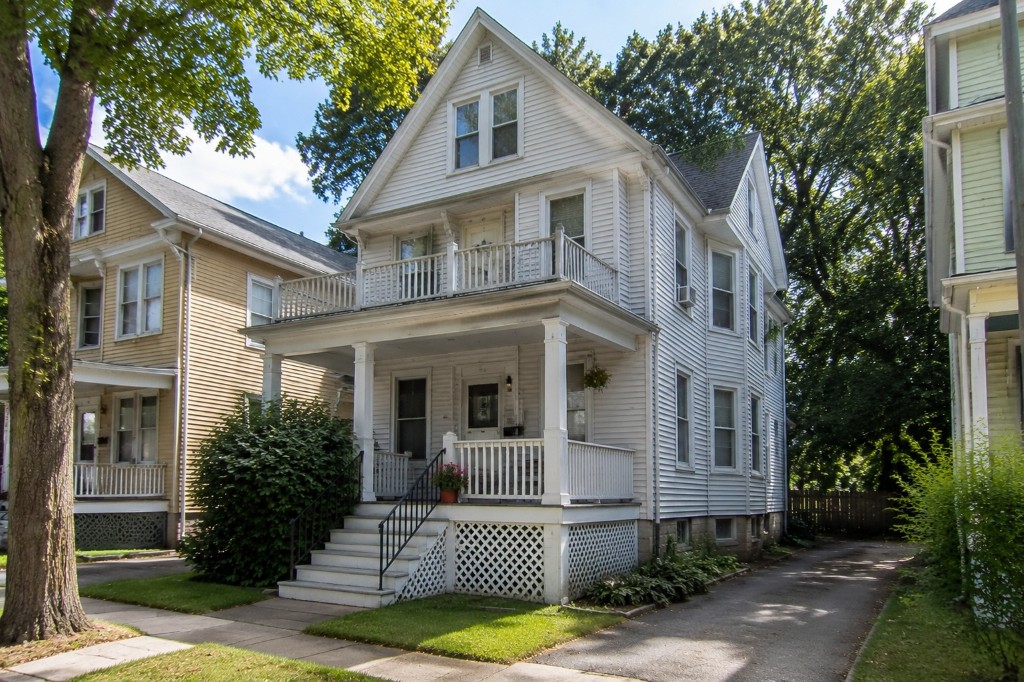
Cambridge, MA has a large stock of older homes. Many of them were built decades before lead paint was banned for residential use in 1978. If your home falls into certain categories, it likely contains lead paint somewhere in the structure.
Age Is the Biggest Indicator
Pre-1978 homes carry the highest risk of containing lead-based paint. In Cambridge, neighborhoods with dense triple-decker housing, older mill-era single-family homes, and Victorian-era properties are especially common. Homes built before 1940 are particularly likely to have multiple layers of lead paint applied over the decades.
Even if prior owners painted over the original surfaces, lead paint can still be present underneath. Chipped, peeling, or disturbed surfaces in these homes can release lead dust, which is the real health concern.
Where Lead Paint Hides Inside a Home
Lead paint tends to concentrate in specific areas rather than covering every surface equally. Common locations include:
- Window frames and sills, where friction and opening cause paint to chip and dust
- Door frames and jambs
- Stair railings and banisters
- Exterior wood trim and siding
- Older kitchen and bathroom surfaces
If you have never had a professional test done, you may not know exactly where the hazards are. A certified lead inspector can take samples and give you a written report of what was found and where.
Why Buyers and Lenders React Differently
Not every buyer responds to lead paint the same way. Some buyers walk away at the first mention. Others view it as a negotiating point. Lenders, however, follow strict rules and often require remediation before issuing financing. This is one reason that homes with known lead paint hazards can sit longer on the open market or fall out of contract after the inspection period.
What Are Your Options When You Find Lead Paint Before Selling?
Finding lead paint does not mean your only path forward is a full remediation project. Real choices are available, and each comes with different costs, timelines, and outcomes.
Option 1: Delead the Property Before Listing
Hiring a licensed deleader to bring the home into full compliance is one approach. This involves either removing lead-containing materials or encapsulating them using approved methods. Once the work is done, the property receives a deleading certificate, which can open your home to a wider pool of buyers, including those using government-backed loans.
The downside is cost. Deleading a full home in Massachusetts can cost several thousand dollars or more, depending on the home’s size and the extent of the hazards found. You also need to work with licensed contractors who follow state protocols.
Option 2: Negotiate a Credit or Price Reduction
Some sellers choose to disclose known hazards and then offer a buyer credit at closing to cover remediation costs. This approach keeps more money in your pocket upfront but limits your buyer pool to those who are comfortable taking on the work themselves. Buyers using conventional financing may still face lender conditions that make this arrangement difficult to complete.
Option 3: Sell As-Is to a Cash Buyer
Selling to a cash buyer is the most straightforward option for homeowners who do not want to manage deleading projects or navigate lender conditions. We buy homes in their current condition, including those with known lead paint hazards. No lender is involved, so the financing restrictions that typically apply to homes with hazardous materials don’t come into play.
New England Home Buyers works with sellers across Cambridge and the surrounding area who are in exactly this situation. After reviewing your property details, we can provide a written cash offer for you to consider. The process doesn’t require repairs, contractors, or waiting for inspection results before moving forward.
For homeowners dealing with inherited properties, financial pressure, or a home that needs more work than makes sense to invest in, selling as-is can be a practical, honest solution. You know what you have, we know how to work with it, and the transaction moves forward without the complications of traditional financing.
Frequently Asked Questions
Do I have to disclose lead paint when selling my house in Massachusetts?
Lead paint disclosure is required under both federal law and Massachusetts state law for homes built before 1978. Sellers must give buyers a written disclosure form and an EPA-approved informational pamphlet before the sale closes. Failing to disclose known hazards can expose you to legal liability.
Can I sell a house with lead paint without fixing it first?
Selling a house with lead paint in Massachusetts without doing any remediation is possible, but it depends on your buyer. Cash buyers aren’t subject to lender conditions so they can purchase a home with lead hazards as-is. Buyers using FHA, VA, or some conventional loans may face lender requirements that tie the sale to repairs or a deleading certificate.
What is a deleading certificate and do I need one to sell?
A deleading certificate is an official document issued by a Massachusetts-licensed deleader confirming that lead hazards have been addressed according to state standards. You do not always need one to sell. If you are working with New England Home Buyers or another cash buyer, you don’t need a certificate for the transaction to proceed. The certificate becomes more relevant when a buyer’s lender requires it as a condition of financing.