Owning an empty home comes with risks that most people don’t think about until something goes wrong. If you’re trying to sell a vacant house fast in Windham, NH, one of the most important issues to understand is how standard homeowners insurance applies to unoccupied properties, and what happens when it doesn’t.
Most homeowners assume their existing policy protects their home no matter what. That assumption can be costly. Once a house sits empty for a certain period, many insurers reduce coverage or stop covering the property altogether. Understanding vacancy insurance and what it does, along with what it costs, helps you make smarter decisions while the home is in your hands.
Why Does Regular Home Insurance Stop Covering an Empty House?
Insurance companies set their rates and coverage terms based on the assumption that someone is living in the home. An occupied home has built-in safeguards: people notice a leaking pipe, catch a small fire before it spreads, and deter break-ins just by being present. When a house goes empty, all of those natural protections disappear.
The Standard Vacancy Clause Explained
Most homeowners insurance policies include what’s called a vacancy clause. This clause typically states that if a home is unoccupied for 30 to 60 consecutive days, the policy either excludes certain claims or becomes void. The exact threshold varies by insurer and policy, but 30 days is a common trigger point in Massachusetts.
Read your policy carefully. Insurers treat “unoccupied” and “vacant” differently. An unoccupied home may still have furniture and personal belongings inside. A vacant home is fully empty. Many policies treat these situations differently, and the protections for a truly vacant home are usually far more limited.
What a Homeowners Insurance Lapse Means for You
A homeowners insurance lapse on a vacant property is not just a paperwork issue. If something happens to the home during the coverage gap, you pay for it entirely out of pocket. That includes fire damage, burst pipes, roof collapse from a storm, and even injuries that happen on the property. In a state like Massachusetts, where winters are harsh and vacant homes attract vandals and trespassers, the financial exposure can be serious.
Lenders also care about this. If there’s still a mortgage on the property, your loan agreement almost certainly requires you to carry insurance at all times. A lapse can put you in default, even if you haven’t missed a payment.
When the Gap in Coverage Begins
The insurance gap doesn’t always start when you think it does. If you move out, travel for several months, or stop actively using the home, the vacancy clause can be triggered without you realizing it. This is especially common with inherited properties, homes in probate, or houses being prepared for sale after long-term ownership.
Check with your insurer as soon as a home goes empty. Don’t wait for a claim to find out you weren’t covered.
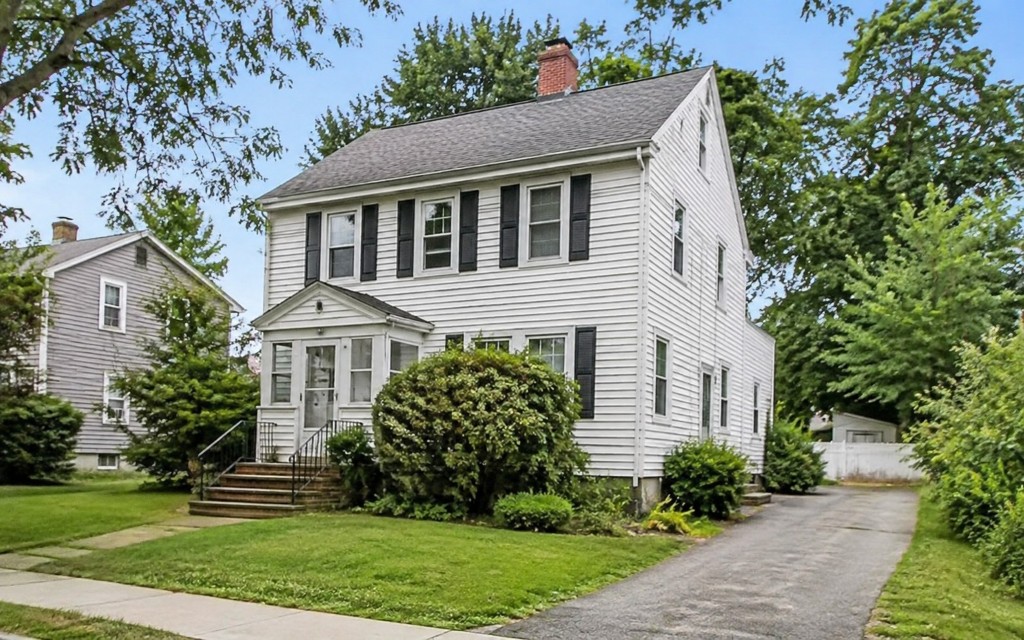
What Does a Vacant Property Insurance Policy Actually Cover?
A vacant property insurance policy, sometimes called an unoccupied home policy, is designed for homes that aren’t occupied. It fills the gap that standard homeowners insurance leaves behind.
Core Protections Included in Most Policies
Most vacant property policies cover the following:
- Fire and smoke damage, including electrical fires that start without warning
- Vandalism and malicious mischief, which are common risks in unoccupied homes
- Weather-related damage, such as wind, hail, and storm events
- Liability coverage, protecting you if someone is injured on the property
Some policies also cover glass breakage, lightning strikes, and damage caused by falling objects. Coverage for water damage, especially from burst pipes, varies widely. Ask specifically about this if your home is in an area prone to freezing temperatures.
What Vacant Property Policies Typically Exclude
Massachusetts property coverage for vacant homes differs from full homeowners insurance. Most vacant policies exclude theft of personal property inside the home, since insurers assume a truly vacant home has nothing to steal. Flood damage is also rarely included and requires a separate policy through the National Flood Insurance Program.
Gradual damage, like mold growth or slow roof deterioration from neglect, is generally not covered. Insurers expect owners to maintain the property even while it’s empty. Neglect is treated as a preventable condition, not an insurable event.
How Long the Coverage Can Last
Vacant property policies are usually written in short-term increments, often three, six, or twelve months. They’re designed to be temporary, which makes sense. Most owners don’t plan to leave a home vacant indefinitely. Whether you’re navigating an estate, preparing the home for listing, or exploring options to sell a vacant house fast, the policy bridges the gap until a more permanent solution is in place.
How Much Does Vacancy Insurance Cost Compared to Standard Coverage?
Vacant property insurance is more expensive than a standard homeowners policy on a dollar-for-dollar basis. That surprises some people, but the reasoning is straightforward. An empty home is statistically more likely to experience unreported damage and attract criminal activity.
Typical Cost Ranges in New Hampshire
In New Hampshire, vacant home insurance generally costs 1.5 to 3 times what a standard homeowners policy costs for the same property. For a modest single-family home in Bedford, a standard policy might cost $1,000 to $1,500 per year. A comparable vacant property policy could run $1,500 to $3,500 or more annually, depending on the home’s age, condition, and location.
Some insurers charge even more if the home has known structural issues, a claims history, or has been empty for an extended period. The longer a home sits vacant, the harder it can be to find an insurer willing to write the policy at a reasonable rate.
Other Costs That Come With Leaving a Home Empty
Vacancy insurance is just one piece of the carrying cost picture. Property taxes don’t stop. Utility accounts often stay open to prevent pipe damage. Basic lawn maintenance and snow removal are still required under local ordinances in Bedford. These costs stack up every month the home sits without a buyer.
For homeowners already stretched financially, the combination of insurance premiums, taxes, and upkeep can make an empty property a genuine burden.
Weighing Insurance Costs Against Your Selling Options
At some point, the monthly cost of holding an empty home outweighs the benefit of waiting for the right retail buyer. Vacancy insurance, while necessary, adds to that calculation. Some owners decide that selling directly to a cash buyer makes more financial sense than continuing to pay for a home they no longer use or want.
We work with homeowners in exactly this situation. We buy properties as-is, which means you don’t need to repair, clean, or stage the home before selling. There’s no listing, no open houses, and no uncertainty about whether a financed buyer’s loan will close.
Frequently Asked Questions
How long can a house be vacant before insurance stops covering it?
Most standard homeowners insurance policies include a vacancy clause that limits or eliminates coverage after 30 to 60 consecutive days of vacancy. The exact timeline depends on your specific policy and insurer. Contact your insurance company as soon as a home goes unoccupied to avoid an unexpected coverage gap.
Does law require vacant property insurance in Massachusetts?
Massachusetts law does not require vacant property insurance. However, if your property has an outstanding mortgage, your lender almost certainly requires you to maintain continuous insurance coverage as a condition of the loan. Letting coverage lapse on a mortgaged vacant home can put you in default on your loan agreement.
What is the fastest way to stop paying vacancy insurance on an empty home?
Selling the property is the most direct solution. Once you close on a sale, your obligation to carry insurance ends. Homeowners looking to sell a vacant house fast in Haverhill often find that working with New England Home Buyers cuts the delays of a traditional listing. We can make a written cash offer after reviewing your property details, and we handle closing on a schedule that works for your situation.