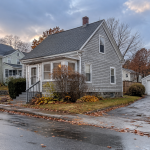
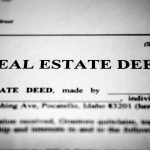
A house fire changes everything, and not just the structure itself. When you’re trying to sell a fire-damaged house, one of the biggest surprises sellers face is discovering how the fire may have affected their property title, liens, and ownership records. These legal details can delay or completely block a sale if they aren’t addressed before closing.
Does a House Fire Affect Your Property Title or Ownership?
The short answer is that a fire does not automatically change who owns a property. Your name stays on the deed, and your legal ownership remains intact. But the aftermath of a fire can trigger a chain of events that creates new complications in the title record.
How Insurance Claims Can Create Encumbrances
When a homeowner files an insurance claim after a fire, the mortgage lender is often named as a co-payee on the settlement check. This happens because the lender has a financial interest in the property. If the insurance payout is large and the claim is unresolved, it may appear as a cloud on the title, meaning the record shows an unresolved financial interest that has to be cleared before the property can be sold cleanly.
An encumbrance is any claim or restriction attached to a property that limits how it can be sold or transferred. Unresolved insurance disputes, contractor claims, and government notices can all create encumbrances that show up during a title search.
What a Title Search Reveals After a Fire
A title search is a review of public records to confirm who legally owns a property and whether any claims exist against it. After a fire, a title search may uncover things that were already there before the fire, such as old unpaid debts, but it may also reveal new issues that arose because of the fire event itself.
Municipal governments sometimes file notices against fire-damaged properties, especially when the building is declared unsafe. These notices become part of the public record and must be resolved or disclosed before an ownership transfer can move forward. In New Hampshire, these types of municipal liens and health and safety orders are taken seriously and can affect the closing process.

Zoning and Code Violations Tied to the Damage
After a fire, local building departments often inspect the property and issue code violation notices. In cities like Brentwood, NH, a property declared structurally unsafe or unfit for habitation may have a formal order attached to the address in public records. Buyers, title companies, and attorneys will find these during due diligence. Knowing about them in advance gives you time to respond.
Can You Sell a Fire-Damaged House If There Are Outstanding Liens?
Selling a property with liens attached is possible, but it requires planning. A lien on a fire-damaged home does not automatically prevent a sale. What it does is require that the lien be satisfied, either before or at the closing table.
Types of Liens That Commonly Appear After a Fire
Several types of liens may be connected to a fire-damaged property:
- Mortgage liens: Your existing mortgage is still owed and must be paid off at closing from the sale proceeds.
- Contractor liens (mechanic’s liens): If you hired a restoration or cleanup crew and did not pay the full amount, they may have filed a mechanic’s lien against the property.
- Tax liens: Unpaid property taxes create a lien that takes priority over nearly everything else. Fire events do not pause property tax obligations.
- Insurance-related holds: In some cases, an insurer may place a hold on a settlement that affects how the title appears to outside parties.
Understanding which liens are attached to your property before listing it is one of the most important steps you can take. A title company or real estate attorney can pull a full lien report and help you understand what needs to be resolved.
What Happens to Liens at Closing
In a traditional sale, most liens are paid off from the proceeds at closing. The title company or settlement agent acts as a neutral party, collecting the sale funds and distributing them to each lienholder in the correct priority order. What remains after paying off liens belongs to the seller.
In a cash sale to a buyer like us, this process works much the same way. We factor the cost of liens and title issues into our offer, and we work with the title company to make sure everything is handled properly before the deed transfers.
When a Lien Exceeds the Property Value
This is where things can get difficult. If the total amount owed on liens is more than what the property is worth in its damaged state, the seller may face a short sale situation. In a short sale, the lender agrees to accept less than what is owed. This requires lender approval and takes longer to complete. It is not common in every fire-damage sale, but it is worth knowing about before you commit to a price or a buyer.
How Do You Clear Title Issues Before Selling a Fire-Damaged Property?
A clear title sale means that at the point of closing, all known claims against the property have been resolved and the buyer receives a clean transfer of ownership. Getting there from a fire-damaged starting point takes a few deliberate steps.
Step One: Order a Preliminary Title Report
Before anything else, order a preliminary title report from a licensed title company. This document lists every recorded interest, lien, and claim against the property. It is not the same as a final title search, but it gives you an early picture of what you’re working with. You do not need to wait until you have a buyer to do this.
In New Hampshire, title companies and real estate attorneys both handle this work. Having the report in hand before you negotiate a sale price helps you avoid surprises at the closing table.
Step Two: Address Municipal Orders and Code Notices
If the local building department has filed any notices or orders against the property, contact the city or town directly. In some cases, a written plan to demolish or remediate the structure is enough to resolve the notice before closing. In other cases, the notice stays on record but is disclosed in writing to the buyer as part of the sale.
Working with a buyer who understands fire-damaged properties makes this step much easier. When you sell a fire-damaged house to an experienced cash buyer, these disclosures are expected and do not typically derail the deal.
Step Three: Negotiate Payoffs or Releases for Existing Liens
For each lien identified in the title report, you or your attorney will need to contact the lienholder and arrange a payoff or release. A payoff means the debt is paid in full, and the lienholder removes the claim. A release can sometimes be negotiated for less than the full amount, especially if the property is worth significantly less than the original debt.
Frequently Asked Questions
Does a fire automatically remove a lien from a property?
A fire does not eliminate any liens already recorded against a property. Mortgage balances, tax debts, and contractor claims all remain in place regardless of the physical condition of the structure. The property title record is separate from the physical property itself, and each lien must be resolved through a formal payoff or legal release before the title can transfer cleanly.
How long does it take to clear title issues on a fire-damaged home?
The timeline depends on how many liens or encumbrances are attached to the property and how quickly each lienholder responds to payoff or release requests. Simple cases with a single mortgage can move relatively fast once a sale is underway. More complex situations involving multiple liens, insurance disputes, or municipal orders can take several weeks or longer to resolve fully.
New England Home Buyers works with homeowners in Raymond, NH and throughout the region who are dealing with exactly these kinds of complications. When you’re ready to sell a fire-damaged house and need to understand what title issues might affect your closing, we can walk through the process with you and connect you with experienced local title professionals who handle these situations regularly.