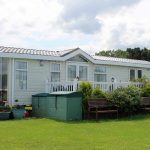
Selling your mobile home fast starts with one fundamental question: do you own the land under your home, or are you renting it? That single detail shapes nearly every part of the sale process, from the paperwork you need to the buyers you can realistically approach. The two situations look similar on the surface but operate under very different rules in Massachusetts.
What Is the Difference Between a Park-Owned Lot and a Private Lot?
The distinction between these two situations goes deeper than just who cuts the grass. Where the land ownership sits determines how your home is legally classified, who has a say in the sale, and what kind of financing a buyer can use.
When You Rent the Lot
Most manufactured homes in Massachusetts sit on land owned by a land-lease community, more commonly called a mobile home park. You own the structure itself, but you pay lot rent each month to use the ground beneath it. This arrangement keeps upfront costs lower, but it adds complexity when you decide to sell.
In a lot-rent situation, the buyer is not just purchasing a home. They are also agreeing to take over the relationship with park management. That means the park must approve them before the sale can close. Parks typically require a rental application, a background check, and sometimes a credit review. If the park does not approve the buyer, the sale cannot move forward, no matter how clean your paperwork is.
In this scenario, your home is almost always treated as personal property, similar to a vehicle. It has a title rather than a deed. The Massachusetts Registry of Motor Vehicles issues that title, and transferring it correctly is one of the most important steps.
When You Own the Land
Owning both the home and the lot puts you in a meaningfully different position. No park manager needs to approve your buyer. You control the timeline more directly, and your pool of potential buyers is generally wider because lenders have more options.
When land and structure are combined, the home may convert from personal property to real property. This conversion — sometimes called “titling out” or affixing the home to the land — means the manufactured home is treated more like a traditional house for legal and lending purposes. A deed replaces the title, and the sale process more closely resembles a conventional real estate transaction.
That said, not every land-owned manufactured home has gone through this conversion. Some still carry a separate certificate of title even when the owner holds the land deed. Knowing which applies to your property before listing it saves significant time later.
Does Land Ownership Change How You Sell a Manufactured Home?
Land ownership affects more than paperwork. It changes the buyer category you can realistically reach, the financing they can access, and the steps you need to complete before closing.
How Financing Differs Between the Two Situations
Buyers purchasing a home on a rented lot often face narrower financing options. Most traditional mortgage lenders require the home to be classified as real property attached to land the buyer will own. When that is not the case, buyers tend to rely on chattel loans — loans secured by the home itself rather than land — personal loans, or cash.
A home on owned land that has been converted to real property is eligible for FHA, VA, and conventional mortgage products under most circumstances. That expanded buyer pool can meaningfully influence your sale. More financing options often means more interested buyers. This difference plays out clearly in communities like Beverly, where manufactured homes on owned land tend to move through the market more smoothly than those on rented lots simply because more buyers can qualify for financing.
For sellers who want to sell your mobile home fast without navigating financing contingencies, working with a cash buyer removes much of this complexity. Cash purchases don’t depend on appraisals or lender approvals, which keeps the process cleaner for both sides.
What Park Approval Means for Your Timeline
When your home is in a park, park management holds real influence over how your sale unfolds. Most parks in the Haverhill, MA area and across Massachusetts require advance notice before finalizing a sale. Some parks also reserve the right to approve the new resident independently of your agreement with the buyer.
Getting park management involved early, rather than at the last moment, keeps the process from stalling. We recommend reviewing your lease agreement for any clauses related to home sales before you accept any offer. Some leases include first right of refusal language, which means the park can choose to purchase the home before you sell it to anyone else. We see this come up regularly with sellers in Londonderry and surrounding communities, so it is worth checking your lease carefully before you get too far into the process.
HUD Code and Age Considerations
HUD code homes are manufactured homes built to federal construction and safety standards established in 1976. Homes built before that year fall outside this framework and are often harder to finance through traditional lenders regardless of land ownership. If your home predates the HUD code, that detail will come up in any serious sales conversation, and it is worth understanding going in.
What Paperwork Do You Need to Sell a Mobile Home in Massachusetts?
Getting your documents organized early is one of the most practical things you can do to keep a sale moving. The exact set of paperwork depends on your ownership situation, but several items apply in nearly every case.
Documents That Apply to Both Situations
The certificate of title is the starting point for almost every manufactured home sale in Massachusetts. If your home has not been converted to real property, this document is what legally transfers ownership from you to the buyer. It must be free of liens before you can complete a title transfer. If there is an outstanding loan on the home, that lender must release the lien before the title can move.
Other documents that come up regularly include:
- Proof of identity for all owners listed on the title
- A bill of sale outlining the agreed purchase price and terms
- Any current lot lease agreement if the home is in a park
- Records of any major repairs or improvements, particularly work done on the roof, skirting, or HVAC system
- Confirmation that lot rent or property taxes are current
Additional Documents for Land-Owned Homes
If you own the land, you will also need the property deed. If the home was converted to real property, the Registry of Deeds should have documentation of that conversion on file. A title search is common in these transactions to confirm there are no other claims against the property.
Some buyers and lenders will also request a survey of the land boundaries, particularly if the parcel has not changed hands recently. While not always required, having one available can prevent delays.
Park-Specific Requirements
Parks sometimes have their own documentation requirements separate from state law. These can include a signed release from management confirming the buyer has been approved and that the seller owes no outstanding balances. Asking the park office directly what they need at the start of the process prevents last-minute surprises.
At New England Home Buyers, we work with sellers in both ownership situations and understand how the paperwork differs. We prioritize sorting out these details upfront because it makes the path to closing cleaner for everyone involved.
Frequently Asked Questions
Can I sell my mobile home fast if I still owe lot rent to the park?
Outstanding lot rent does not automatically prevent a sale, but it must be resolved before closing. Most buyers and parks require that any balance owed to the park be paid in full — either from sale proceeds or separately — before they approve the transfer. We factor situations like this into how we structure our offers.
What is the difference between personal property and real property for a manufactured home in Massachusetts?
Personal property means the home is titled separately, similar to a vehicle, and does not include the land. Real property means the home is legally joined to the land and treated like a traditional house for ownership and financing purposes. This distinction affects the paperwork involved, the financing buyers can access, and how ownership is recorded.
Does New England Home Buyers purchase manufactured homes that are still in a park?
We purchase manufactured homes in both situations, whether the home sits on a rented lot in a land lease community or on privately owned land. The process differs for each, but we navigate both regularly for sellers across Haverhill, MA, and surrounding communities. If you are trying to sell your mobile home fast, we start by sorting out the ownership situation so we can map the right path forward.