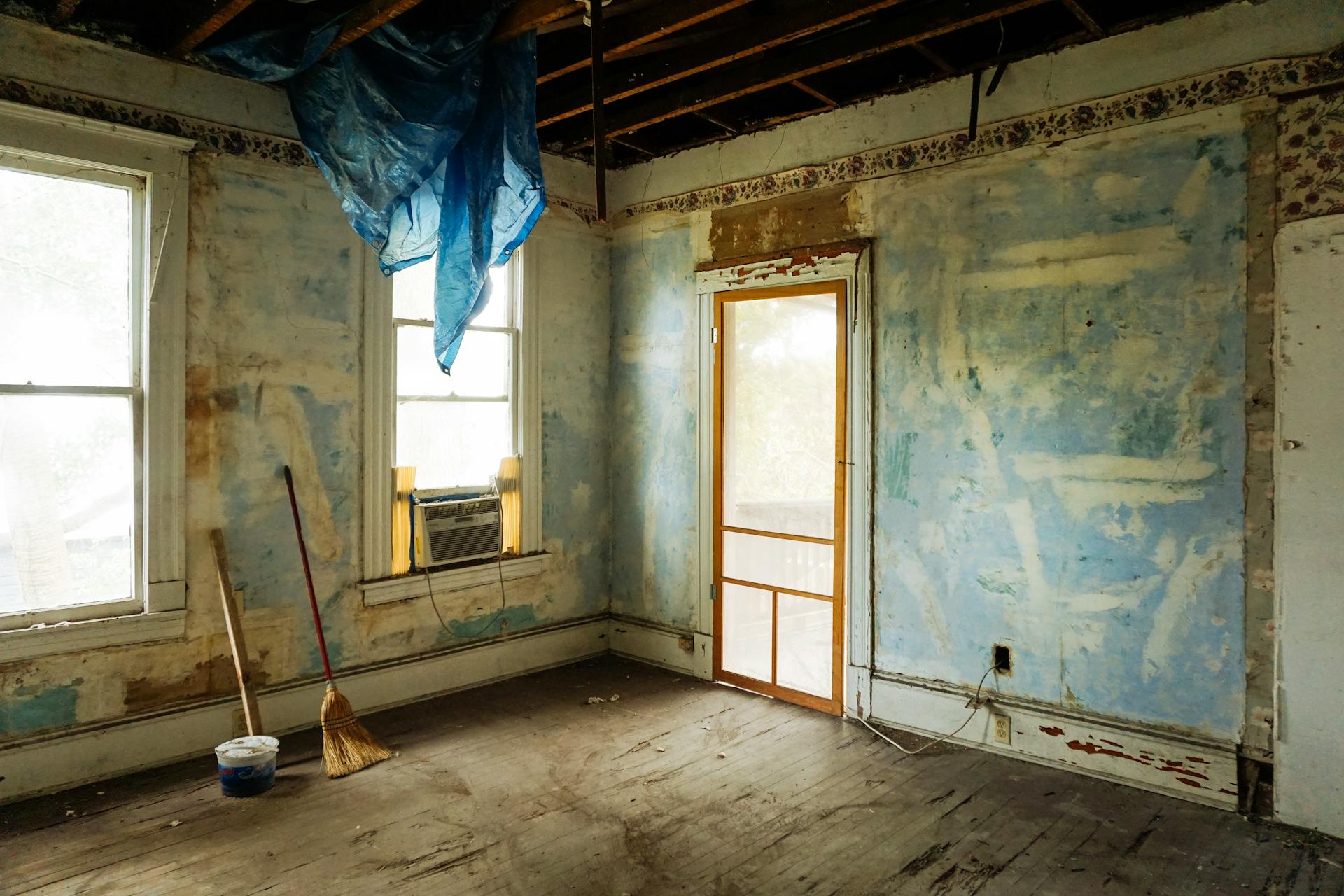
A house is not worth fixing when repair costs exceed 50% of the property’s current market value, when multiple major systems fail simultaneously, or when the home has reached functional obsolescence. According to housing research from the Federal Housing Finance Agency, comparing your total estimated repair costs against the potential increase in home value those repairs would generate determines whether you’ve crossed this threshold. If the numbers don’t produce a positive return, the property has reached its renovation tipping point.
Homeowners face this critical decision when foundational issues, outdated electrical or plumbing systems, severe structural damage, or extensive water damage require repairs that cost more than the value they add. At this stage, your options narrow to three paths: invest in strategic repairs that generate returns, commit to incremental improvements over time, or sell your house as-is to a cash buyer.
This guide walks you through exactly how to evaluate your home’s condition, run a cost-benefit analysis, and make the smartest financial decision for your situation.

When Repair Costs Exceed Your Property’s Value
Real estate typically appreciates over time, but renovation expenses can reach a tipping point where they no longer make financial sense. Before committing to major repairs, take a strategic approach to protect your investment. Data from Redfin’s housing market research shows that property values fluctuate based on location and condition, making this analysis essential.
Run a Simple Cost-Benefit Analysis
Financial experts recommend evaluating every repair decision through a cost-benefit lens. The Consumer Financial Protection Bureau’s homeownership guide emphasizes that understanding your finances before major home decisions prevents costly mistakes. Don’t let the term intimidate you, this calculation is straightforward.
Here’s how it works: Compare your total expenses (costs) against your expected returns (benefits).
Know When to Stop Investing in Repairs
If you’re preparing to sell your home, this analysis becomes essential. Overspending on updates is one of the most common mistakes sellers make. At a certain point, your property reaches a threshold where additional repairs won’t translate into higher offers. Recognize that limit before pouring money into fixes you’ll never recoup at closing.
Take action now: Calculate your estimated repair costs, research comparable sales in your area, and determine whether your planned improvements will actually boost your sale price, or simply drain your wallet. Homeowners in Nashua, NH looking to sell houses for cash often discover this analysis saves them thousands.
Recognizing Your Home’s Renovation Tipping Point
Every property has a lifespan. As years pass, natural wear and deterioration take their toll on even the most well-maintained homes. HUD’s housing resources provide guidelines on property maintenance standards that help homeowners understand when systems reach end-of-life.
The Critical Juncture Every Homeowner Faces
Eventually, your property will reach a crossroads where basic upkeep no longer cuts it. The repairs needed to maintain functionality shift from minor fixes to major overhauls requiring significant financial investment.
Act before it’s too late: Without substantial capital directed toward these critical repairs, your home risks sliding into what appraisers classify as “obsolescence”, essentially the point of no return for your property’s value.
Assess your situation now: Walk through your home and identify systems nearing the end of their useful life. Roof, HVAC, plumbing, and electrical components all have finite lifespans. Understanding where your property stands on this timeline empowers you to make informed decisions about whether to invest in repairs or explore other options before obsolescence sets in. If you’re in New Hampshire, New England Home Buyers can help you evaluate your options.

Key Questions to Determine If Your House Is Worth Fixing
Once your home reaches that critical fix-or-fail juncture, decisive action becomes essential. Use these strategic questions to guide your next move. Real estate industry research from the Library of Congress provides market context that informs these decisions.
Question 1: What Repairs Does Your Home Actually Need?
Start by creating a comprehensive inventory of every area requiring attention. Rank each item from most critical to least important, and assign approximate costs to each repair. This exercise gives you a clear picture of the total investment required.
Question 2: What Can You Realistically Afford?
Evaluate your available financial resources honestly. Will you pay with cash reserves, or does financing through a home equity loan make more sense? Resources from Freddie Mac’s CreditSmart program can help you understand your financing options. Knowing your budget ceiling prevents overcommitment and financial strain.
Question 3: Will Your Investment Generate Returns?
Here’s the decisive question: If you spend a specific amount on repairs, will the increased home value justify that expense?
Think like a house flipper: Even if selling isn’t your immediate goal, approach this decision with an investor’s mindset. Every dollar spent should work toward building equity, not disappearing into a depreciating asset.
Take this step today: Connect with a local Realtor to get two critical numbers, your home’s current market value and its projected value after proposed renovations. NAR’s research and statistics offer market insights that inform these valuations. This comparison reveals whether your repair investment will pay off or simply drain your resources without meaningful return. Property owners in Portsmouth and Rochester frequently use this approach before deciding to sell.

Adopt an Investor’s Mindset
Shifting to this analytical framework helps you detach emotionally from your property and rely on sound financial reasoning. Tough decisions become clearer when numbers guide the process instead of sentiment.
Selling? Prioritize What Moves Buyers
If listing your home is the goal, direct your renovation dollars strategically. Cosmetic upgrades might feel satisfying, but buyers focus on the fundamentals first. Structural integrity, roofing, plumbing, and electrical systems form the foundation of any sale.
Focus your budget here: Target repairs that would otherwise trigger red flags during inspections or scare buyers away from making offers. A fresh coat of paint means nothing if the foundation raises concerns. Fannie Mae’s homeowner education resources explain what buyers and lenders prioritize.
Staying? Shift Your Strategy
Planning to remain in your home after repairs changes the equation. Safety and structural soundness should still top your priority list, but you gain flexibility with cosmetic improvements over time.
The long game works in your favor: Real estate values generally appreciate, meaning equity lost to updates today can recover as your property’s worth increases. You have the luxury of spacing out improvements rather than completing everything at once.
Move Forward With Confidence
Regardless of which path you choose, you’ve done the critical work. Running the numbers and evaluating your options positions you to make the smartest financial decision for your family’s future. That due diligence pays dividends whether you sell now or stay for years to come. Homeowners in Concord and Bedford have used this framework successfully.

The Final Decision: Renovate or Relocate
Sometimes the math simply doesn’t work. When underlying conditions have deteriorated beyond the point where any renovation adds positive value, relocating becomes the most financially sensible choice. Recognize when walking away protects your investment better than pouring money into a losing proposition.
Committed to Staying? Create a Practical Plan
Perhaps relocation isn’t an option for you right now. Family ties, job proximity, or personal circumstances may anchor you to your current home. That’s completely valid, and you can still make meaningful progress. eHome America’s homeownership courses provide guidance for long-term property management.
Start with safety first: Address any hazardous conditions immediately. Electrical issues, structural concerns, or health risks like mold demand priority attention regardless of budget constraints.
Then embrace incremental improvement: Tackle smaller repairs as finances allow. A methodical approach spreads costs over time while steadily enhancing your living space.
Don’t underestimate simple updates: Periodic upgrades and even a fresh coat of paint deliver surprising impact. These affordable improvements refresh your home’s appearance, boost curb appeal, and restore that sense of newness without breaking the bank.
Take action at your own pace: You don’t need to transform your entire home overnight. Consistent, manageable improvements compound over time, gradually elevating both your quality of life and your property’s condition.

A Third Option: Sell Your House As-Is for Cash
After running the numbers, you may discover that repairs cost more than they’re worth, but relocating through a traditional sale feels equally overwhelming. Listing a home that needs significant work means staging, showings, inspections, and negotiations that can drag on for months. There’s another path forward.
Skip the Repairs and Sell Directly
Cash home buyers purchase properties in any condition, eliminating the need for costly renovations before selling. This option makes sense when your cost-benefit analysis reveals that repair investments won’t generate meaningful returns.
Consider selling as-is if:
- Major systems like roofing, HVAC, or plumbing need replacement
- Foundation or structural issues would scare off traditional buyers
- The property has fallen into obsolescence territory
- You need to sell quickly due to relocation, inheritance, or financial pressure
- Repair costs exceed your available budget or financing options
Whether you’re in Hampton, Salem, or Keene, cash buyers operate throughout New Hampshire.
How the Process Works
Selling to a cash buyer simplifies the entire transaction. You request an offer, receive a no-obligation cash proposal based on your home’s current condition, and choose your closing timeline, often within days rather than months.
What you avoid: Agent commissions, repair expenses, staging costs, extended listing periods, and the uncertainty of buyer financing falling through. The CFPB’s housing resources outline what traditional sales typically cost.
Ready to explore your options? If you’ve determined your house has reached the point where repairs no longer make financial sense, New England Home Buyers can provide a fast, fair cash offer on your property as-is. Get a no-obligation consultation and discover what your home is worth today, no repairs, no hassle, no waiting.
Make the Smart Business Decision for Your Home
Every homeowner eventually faces this crossroads. Your home isn’t just where you live, it’s a business asset that requires strategic management. The decisions you make today directly impact your financial future and your family’s stability.
You’ve now equipped yourself with the tools to evaluate your property objectively. You understand how to run a cost-benefit analysis, recognize when your home reaches its renovation tipping point, and ask the right questions before committing dollars to repairs.
Whether you choose to renovate strategically, stay and improve incrementally, or sell your house as-is for cash, you’re making an informed business decision rather than an emotional one. That clarity separates homeowners who build wealth from those who drain it.
Your next step is clear: Assess your home’s current condition, run the numbers, and choose the path that aligns with your financial goals. The right decision is the one backed by data, not sentiment. Homeowners across New Hampshire, from Somersworth to Hudson to Windham, are taking action today. Move forward with confidence.
Frequently Asked Questions
How do I know if my house has reached the point of obsolescence?
Your home approaches obsolescence when multiple major systems fail simultaneously or when repair costs exceed 50% of your property’s current market value. Warning signs include foundation issues, outdated electrical systems that can’t be brought to code, extensive water damage, or structural problems. Contact a licensed home inspector for a professional assessment, then compare repair estimates against your home’s appraised value to determine where you stand.
Should I get a home inspection before deciding whether to repair or sell?
Absolutely. A professional home inspection typically costs between $300 and $500 but reveals hidden issues that could dramatically affect your cost-benefit analysis. Inspectors identify problems with roofing, plumbing, electrical, HVAC, foundation, and structural components. This investment prevents costly surprises and gives you accurate data to make your decision. Request a detailed written report you can share with contractors for repair estimates or with cash home buyers in Merrimack and Exeter for as-is offers.
What repairs offer the best return on investment if I decide to sell traditionally?
Focus on repairs that address buyer concerns during inspections rather than cosmetic upgrades. Roof replacement typically returns 60-70% of costs, while HVAC updates and electrical panel upgrades reassure buyers about the home’s functionality. Kitchen and bathroom remodels can recoup 50-80% depending on your market. However, always consult a local Realtor before investing, neighborhood comps determine your ceiling, and over-improving for your area guarantees lost money.
How quickly can I sell my house to a cash buyer compared to listing traditionally?
Cash buyers can typically close in 7 to 14 days, while traditional sales average 45 to 90 days from listing to closing, assuming no complications arise. Traditional sales require staging, showings, inspections, appraisals, and buyer financing approval, any of which can delay or derail the process. Cash sales eliminate these contingencies entirely. If speed matters due to relocation, financial pressure, or inherited property situations, selling as-is to a cash buyer in Laconia or anywhere in New Hampshire offers the fastest path forward.
Will I receive less money selling to a cash home buyer versus listing with an agent?
Cash buyers typically offer below full market value because they purchase properties as-is and assume all repair risks and costs. However, the net difference narrows when you factor in what traditional sales cost: agent commissions (5-6%), closing costs, repair concessions, staging expenses, and months of mortgage payments while waiting to sell. Calculate your true net proceeds from both options before deciding. For homes needing significant repairs, cash offers often deliver comparable or better net returns with far less hassle.