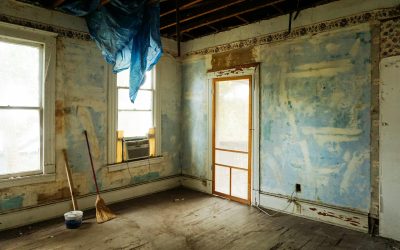
House flipping involves buying a property, making improvements, and then selling it for a profit. Typically, flippers target undervalued or needing renovations, making strategic upgrades to increase the property’s market value. The goal is to complete the renovations quickly and sell the house as fast as possible, capitalizing on the improved condition and market appeal.
Flipping houses in Massachusetts can be incredibly rewarding if done right. We would know, as we’ve bought and renovated properties in this great state for almost two decades.
I’ve picked up a few strategies to make all the difference in your success. Here’s my take on the essentials of flipping houses, incorporating insights from my experiences and those shared by others in the community.
Understanding the Basics of Flipping
The key to a profitable flip lies in the purchase. The phrase “you make your money when you buy” is crucial. If you don’t get the property at the right price, no amount of renovation will save you. For instance, I’ve seen investors make substantial profits by acquiring homes that others ignored or deemed undesirable because they were distressed or needed serious work.
Read our “How It Works” page to see a deep breakdown if the numbers.
Getting Started in the Massachusetts Market
Many people think flipping is about doing a quick renovation, but it’s far more than that. You don’t need a realtor or construction professional to become a full-time flipper. We’ve worked with people who were pilots, teachers, CPAs, or even previously unemployed. It’s all about learning as you go, making informed choices, and leveraging the relationships you build along the way.
The Numbers Game: Profit Lies in the Details
One mistake many beginners make is not accounting for every expense involved. A successful flip isn’t just about renovation costs; you need to factor in holding costs (like mortgage payments, utilities, and taxes), soft costs (permits, inspections, and appraisals), and selling costs (realtor fees and closing costs).
Here’s an example from a flip:
- You buy a $1 million property
- You spend $250k to $300k on renovations and other soft costs
- This results in a gross profit of $200k
- That shrinks to about $70k after taxes and fees
That’s the reality of the numbers – it’s not always as glamorous as it seems, but the profits can be substantial with careful planning.
Biggest Mistakes Flippers Make
Profiting and building a scalable business as a flipper takes sound decision-making skills.
Over-Improving for the Neighborhood
It’s tempting to create a high-end property with luxurious finishes, but this can backfire if your flip ends up being the most expensive house in the neighborhood. I’ve learned that it’s better to renovate to match the area’s standards rather than going overboard. For example, a neighbor I knew poured over $75,000 into a kitchen remodel, only to realize buyers in the area didn’t care for high-end appliances. She barely recouped half of her investment.
Avoiding Complex Landscaping
Another friend, a retired landscape architect, created an incredible garden with a pond and exotic plants, only to discover that buyers saw it as a burden. In the end, she had to lower her price to sell the property, and the new owners promptly removed her hard work. This story serves as a reminder to keep landscaping simple and manageable.
Skipping Small But Impactful Renovations
Don’t underestimate the power of minor upgrades. Upgrading simple elements like interior doors, kitchen cabinet doors, LED lighting, or even adding quality scents can make a house feel more valuable. It’s often these small touches that can push your property over the edge in terms of perceived value.
Easy Mistakes To Make During Construction
Here are ten construction mistakes I’ve seen flippers make, and believe me, they can be absolute deal-breakers:
- Forgetting Space for Essential Appliances: I once walked into what seemed like a perfect flipped house, only to realize there needed more space for a refrigerator in the kitchen. They had installed a pantry where the fridge should go, completely overlooking one of the most basic needs.
- Removing Load-Bearing Walls Without Proper Support: Many flippers love the idea of an open concept, but I’ve seen cases where they removed load-bearing walls without installing the proper support. This led to beams visibly sagging and structural issues that would be a nightmare for any future homeowner.
- Improper Flooring Transitions: Some flippers don’t pay attention to details like flooring transitions between rooms. I’ve seen homes where different flooring types were joined together poorly, or worse, they tried to patch up missing flooring, making the entire place look inconsistent.
- Poor Quality Paint Jobs: It’s shocking how often I’ve seen flippers use low-quality paint or fail to prepare surfaces before painting correctly. I’ve seen paint peel off exterior shingles or overspray on window panes. It’s the kind of shoddy work that screams “cutting corners.”
- Skipping Basic Inspections for the Crawlspace: A home inspector once told me that flips often neglect crawlspaces. Flippers rely on new paint and flooring to cover up termite damage, mold, or other significant issues under the surface, leading to potentially severe structural problems down the road.
- Incorrectly Installed Cabinets and Hardware: I’ve noticed that some flippers don’t even take the time to ensure kitchen cabinets and hardware are straight or securely attached. I’ve seen cabinets hung with just glue and a few screws in drywall – no studs – and predictably, they collapsed after a short period.
- Using Cheap, Thin Flooring: Thin and fragile flooring won’t last more than a few years of normal wear and tear. I’ve learned that many use low-quality flooring that looks good at first glance but won’t stand the test of time.
- Installing Fixtures That Don’t Fit the Space: I’ll never forget seeing a big waterfall faucet installed on a tiny powder room sink. When turned on, the water shot straight out onto the floor and walls instead of into the sink—a classic example of fixtures not matching the space.
- Cutting Corners with Insulation and Weatherproofing: I once saw a flipper install an exterior door at the bottom of bulkhead stairs without sealing it properly. This leads to cold drafts, water leaks, and energy inefficiency. Insufficient insulation, particularly in crawlspaces or bathrooms, is another recurring issue that leads to frozen pipes in the winter.
- Ignoring the Importance of a Solid Roof and Plumbing: Many flippers try to get away with putting a new roof over an old, decaying one instead of replacing it properly. I’ve also encountered plumbing shortcuts, like using garden hoses instead of proper piping for hot water connections. These are disasters waiting to happen.
As the kids say, “SMH.”
Navigating the Renovation Process
Flipping isn’t just about transforming a property; it’s about making smart renovation choices that add value without blowing your budget. This means:
- Prioritizing the kitchen and bathrooms since these spaces tend to deliver the most ROI.
- Keeping upgrades in line with what buyers in the area expect. If you’re in a mid-tier neighborhood, you don’t need luxury finishes.
- Sticking to neutral, buyer-friendly designs. While I might have personal preferences, I’ve learned that playing it safe with neutral colors and finishes attracts a broader range of buyers.
The Importance of Relationships
Real estate is a relationship-driven business. Experienced flippers emphasize the need to build strong connections with contractors, realtors, and other industry professionals. By working with the same contractors consistently, you can often negotiate better rates and ensure quality work. And as one flipper pointed out, being in the know with real estate agents can mean getting the inside scoop on deals before they hit the market.
Stress and Risk Management
Flipping is not for the faint-hearted. The reality is that it’s stressful, especially if you transition from a steady job to full-time flipping. You’re spending your money every day, and any delays or mistakes can quickly eat into your profits. That’s why managing stress, building a good team, and keeping a close eye on the numbers are crucial. It’s also important to budget for unexpected setbacks – even the most experienced flippers anticipate that one out of every ten projects might be a loss. The goal is to make up for it with the profits from the other nine.
Financing Your Flip
If you don’t have cash on hand, you might consider hard money loans, but keep in mind that interest rates are higher. You’ll need to ensure that your profit margin can absorb these costs. Additionally, maintaining a solid credit score will open up more financing options and lower your overall risk.
Timing Is Everything
The housing market is unpredictable, and timing can be everything. Sometimes, just holding onto a property a bit longer can mean a higher profit due to market appreciation. However, if you’re in a cooling market, every extra day can add to your holding costs, eating into your profits.
Final Thoughts
Flipping houses in Massachusetts can be incredibly lucrative, but it’s not without its challenges. By learning from those who have walked this path before, you can avoid common mistakes and set yourself up for success. As one flipper wisely mentioned, “It’s not just ‘hire a contractor and flip’; it’s about knowing where to spend, where to save, and how to make the property as appealing as possible to the right buyers.” Keep your eyes open, stay flexible, and remember: the profit lies in the details.
We’ve been in this business for over two decades, so clearly something is working.