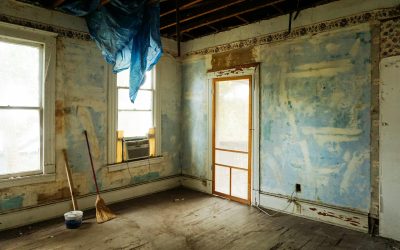
If you’re worried your home is unsellable, you have two main options: sell traditionally after making repairs (which typically nets 94.5% of sale price minus repair costs), or accept a cash offer from a home buying company (which usually offers 92-95% of market value but requires no repairs or showings). The key decision formula is simple: if your traditional sale proceeds (sale price – repairs – 5.5% commission – staging costs – time/hassle value) exceed the cash offer amount, go traditional; otherwise, take the cash offer.
Most homeowners discover their “unsellable” house actually falls into one of three categories: needs minor repairs (best for cash buyers), requires major renovations (investor territory), or just needs proper cleaning and pricing (perfect for traditional market). Cash buying companies now operate in 20-25 major cities and can close in 14-90 days, while traditional sales average 30-60 days plus preparation time. This guide shows you exactly how to calculate which option puts more money in your pocket while meeting your timeline needs.

Steps to Take When You Think Your House Won’t Sell
Understanding Buyers
The people who might buy your home fall into two main groups: regular buyers and business investors.
In the past, regular buyers wanted homes they could move into right away, while business investors (called “house flippers”) looked for homes that needed lots of work. These investors made money by fixing up homes and selling them for much more.
This created a gap for homes that needed just a small amount of work. Sellers had to search hard for regular buyers who would do minor fixes themselves and accept a lower price for the home.
But this approach has big challenges. Finding these buyers takes time and hard work. They might change their minds based on feelings rather than facts. Their offers often depend on getting a loan and home inspection. They move slowly when checking the property, getting their money together, or selling their current home. Worst of all, they might back out of the deal completely.
In the last 5 years, a new type of business investor has appeared and grown quickly. These businesses that buy homes help solve many problems that come with selling homes that need small to medium repairs, or sometimes no repairs at all.
The Right Way to Sell Your House:
- Study similar houses in your area
- Fix things that really matter to buyers
Big Mistakes That Ruin Home Sales
- Forget to check what other houses sold for in your neighborhood
- Skip basic cleaning and removing clutter that turns off everyday buyers
When your house isn’t perfect, you face two paths. You can either fix it up until buyers can move straight in, or sell it just the way it is now.
In a strong market where sellers have the upper hand, regular buyers might ignore minor problems and still buy your house as-is. But let’s be realistic and assume that’s not happening right now, which means selling as-is to regular buyers isn’t going to work. This leaves you with an important choice to make. You need to look at the costs and benefits to figure out if you should spend money fixing your house to sell it the usual way, or save time and effort by selling it as-is to a company like New England Home Buyers.
Making Smart Choices When Selling Your Home: Traditional vs. Quick Cash Sale
The Simple Formula to Calculate Your Best Selling Option
Here’s how to figure out which selling method puts more money in your pocket: Take what you think your house will sell for after repairs, subtract all the fix-up costs, subtract what you’ll pay a real estate agent, and subtract the dollar amount for all the stress and time you’ll spend. If this final number is lower than what a quick cash buyer offers you, then going with the cash buyer makes more sense.
Real Numbers That Show How This Works
Let’s look at a real example with actual dollars. Say your house could sell for $300,000 on the regular market. You’ll need to spend about $5,000 on repairs and another $5,000 to make it look perfect for buyers. Your agent will take around $16,500 in fees. Plus, think about all those weekends moving furniture for showings, keeping everything spotless for months, and leaving your house whenever buyers want to visit, that hassle might be worth $5,000 of your time and peace of mind.
Comparing Your Final Take-Home Amount
Quick cash home buyers usually charge between 5% and 8% for their service. They’ll also assess repair costs and may offer slightly below market value. But if you compare offers from several companies that buy houses cash, you can often get within 1-2% of traditional market prices. Using our example: a 6.5% service fee plus 1.5% below market equals 8% total, plus $5,000 for the same repairs (but no staging costs needed). This gives you $271,000 in your pocket. Compare that to $268,500 from the traditional selling method, you actually come out $2,500 ahead because you save on staging costs and avoid all the showing headaches.
Understanding Different Pricing Approaches in Home Sales
It’s important to know that pricing can vary between different selling methods. Cash home buyers sometimes offer prices that reflect immediate convenience rather than maximum market value. This happens because they provide valuable services like: letting you pick your exact closing date (usually anywhere from 14 to 90 days), handling all repairs themselves, and removing the uncertainty of traditional sales. Many homeowners find these benefits worth more than getting the absolute highest price, especially when they need to move quickly for a new job, handle family matters, or simply want a stress-free experience. According to HUD guidelines, understanding your options is crucial for making informed decisions.
How the Cash Buying Process Really Works
Professional cash home buying companies operate with transparency about their business model. They purchase homes directly, invest in necessary improvements, cover all holding costs during ownership, and manage the entire resale process. This full-service approach means they handle everything that would normally fall on your shoulders during a traditional sale. The convenience and certainty they provide often outweighs small differences in final sale price for many sellers who want to sell urgently.
Making Sense of Cash Offers: A Real-World Example
Let’s look at how cash buying companies typically structure their offers. Say a company might buy your house for around $290,000, invest about $14,000 in renovations, spend roughly $5,000 on carrying costs, and allocate $13,000 for selling expenses before reselling the property for approximately $319,000. When you receive an offer that accounts for needed repairs, you’re getting a guaranteed closing with no surprises. This certainty helps you plan your next move with confidence, whether you’re relocating, downsizing, or handling an inherited property.
How to Evaluate Your Best Selling Option
To make a smart decision about any cash offer, you’ll want to compare what you could get through different selling methods. Think about your potential final sale price, what you’ll spend on selling costs, any extra expenses while you own the home, and what repairs or upgrades you might need. Having these numbers helps you see which option puts the most money in your pocket while meeting your timeline needs. The Consumer Financial Protection Bureau offers helpful resources for understanding your rights as a seller.
Getting the Right Numbers for Your Decision
Here’s what you need to figure out your best path forward. First, look at what similar homes in your area have sold for recently. Next, calculate what it would cost to make your home look as good as those comparable properties. Finally, factor in what you’d pay real estate professionals if you sold the traditional way. These three pieces of information give you the complete picture for smart decision-making.
A Practical Example to Guide Your Thinking
Let’s walk through a real scenario. Say you research recent home sales and find that similar houses sold for about $318,875. After getting quotes and making lists, you figure out you’d need to spend around $10,000 on cleaning, organizing, and updating to match those comparable homes. For most people, regular monthly costs like utilities don’t count as extra expenses since you’d pay them anyway while living there. The only time to include these costs is when you have double expenses, like if you’ve already bought your next home and now you’re paying for landscaping, power bills, and cleaning services at two properties.
Calculating Your Real Costs in Traditional Sales
When selling the traditional way, you’ll typically pay about 5.5% in agent fees to cover both the selling and buying agents. On a $318,875 sale, that’s $17,538 going to commissions. Cash home buyers often have lower selling costs around 4% because they work with high volumes and have established relationships with professionals. Adding everything up in our example: a traditional sale would net you about $291,337 after all costs. Compare this to a cash offer of $290,369, you’re looking at roughly the same amount of money, but with a cash sale you get certainty, speed, and zero hassle managing showings for months.
When Market Values Change Your Decision
Sometimes your research might show your home could sell for more, say $325,000, if you went the traditional route and found the right buyer. Running those numbers: $325,000 minus 5.5% in fees minus $10,000 in prep work equals $297,125 in your pocket. That’s about $6,000 more than a typical cash offer. But here’s where personal priorities matter, many homeowners happily choose the guaranteed cash offer because they value the peace of mind, quick timeline, and freedom from showings more than that extra money. It’s about what matters most to you and your family’s situation. NAR research shows that speed of sale is increasingly important to modern sellers.
Where Cash Buying Services Work Best
Cash home buying companies typically operate in about 20-25 major metropolitan areas where they can provide the best service. These companies excel at purchasing homes in established neighborhoods with similar property styles, this helps them accurately assess values and renovation needs. The average purchase prices often fall in the mid-market range where most families live. If you own a unique luxury property or live outside major service areas, traditional selling might be your only option for now. But for most homeowners in covered areas, New England Home Buyers offer a valuable alternative that prioritizes convenience and certainty over maximum price.

Essential Information for Making Your Best Choice
Making a smart decision requires having the right numbers at your fingertips. Here’s exactly how to gather the information you need to compare your options and choose what works best for your situation.
Getting Numbers for Traditional Home Sales
To understand what you might receive through a traditional sale, you’ll need two key pieces of information: First, figure out what your home could sell for once it’s fully prepared and market-ready. Second, calculate how much money you’ll need to spend to get your property into that sale-ready condition. Fannie Mae’s educational resources provide excellent guidance on understanding home values.
Step One: Finding Your Home’s True Market Value
Start by gathering multiple value estimates for your property. Enter your address into at least 4 or 5 different online home value tools to get a range of estimates. These free tools give you a good starting point for understanding your home’s worth. Next, reach out to a local real estate professional who can provide an estimate based on what your home would be worth in perfect, move-in ready condition.
For extra insight, spend time looking at photos of recently sold homes in your neighborhood on real estate websites. Pay close attention to any differences in style and condition between those homes and yours. If neighboring properties have modern updates that your home lacks, you’ll need to factor in the cost of similar improvements to achieve top market value. Market data from trusted sources can help validate these estimates.
Step Two: Understanding Your Home Preparation Costs
Getting your home ready for market involves several important tasks. First, plan for deep cleaning these essential areas to make your property shine and remove any concerns from a buyer’s mind:
- Window treatments and curtains
- All fabric items and bedding
- Carpeted areas throughout
- All hard surface floors
- Every bathroom space
- The entire kitchen
- Windows inside and out
- Any pest control needs
- Ceiling fans and fixtures
- All lighting elements
- Attic spaces
- Basement areas
Next, budget for fresh paint on any interior rooms or exterior surfaces that show wear. Don’t forget to include costs for sprucing up your landscaping to boost curb appeal.
You’ll also want to remove excess items to help your home feel more spacious and allow buyers to picture themselves living there:
- Family photos and personal artwork
- Any unique or unusual decorations
- Unnecessary furniture pieces
- Children’s toys and games
- Extra clothes from all closets
Finally, compare your home to others nearby (visiting open houses gives you the best perspective!) and check if these features need updating:
- Kitchen and bathroom counters
- Flooring and carpets
- Kitchen appliances
- Cabinet doors and hardware
- Outdoor decks or patios
- Exterior siding
- Interior flooring materials
- Electrical outlets and covers
- Light fixtures throughout
- Plumbing fixtures
- Trim and baseboards
(Remember, focus on simple, affordable improvements that create big visual impact and increase appeal, not expensive full-scale renovations. Keep track of what each improvement will cost.)
Making Your Home Show-Ready with Smart Staging Choices
Consider whether staging makes sense for your situation. Not every home needs professional staging, if your current furniture looks great and photographs well, you might save this expense. However, since you’re preparing to sell, this could be the perfect time to rent that one special furniture piece or artwork that really showcases your home’s best features. Even small staging touches can help buyers see your home’s full potential and imagine themselves living there. Consumer education resources can help you understand what buyers look for.
Understanding Agent Commission Costs
Plan to set aside 5-6% of your sale price for real estate commissions if you work with agents on both sides of the transaction. Most calculations use 5.5% as a standard estimate. Working with a selling agent brings several benefits: they’ll guide you on the right listing price, suggest cost-effective ways to prepare your home through cleaning and organizing, help with staging decisions, and handle all the screening and negotiations with potential buyers. Their expertise can make the traditional selling process much smoother. The FHFA provides oversight and guidance on real estate transactions.
Getting a Cash Offer: The Simple Process
The best part about exploring a cash offer is that you don’t need to start cleaning or fixing anything right away. Simply visit a cash home buyer’s website or use their mobile app and provide basic details about your property. You’ll enter information like your address, when your home was built, the square footage, and key features. This quick process usually takes just a few minutes. The cash buying company will analyze your home’s value and send you an instant cash offer if your property fits their purchasing criteria. To receive your final offer, they’ll schedule one simple property evaluation.
The One-Time Property Review Advantage
Unlike traditional selling where you must keep your home spotless for countless showings over several months, with cash buyers you only need to prepare once for their evaluation visit. You can completely skip the repairs and improvements because cash buyers factor any needed work into their offer price. These companies sometimes identify repairs that typical home buyers wouldn’t notice or request. If you see repairs on their list that you know you could handle yourself for less money, this creates a perfect opportunity to discuss adjustments. Many sellers successfully negotiate these points to improve their final offer amount when they sell their house for cash.
Making Your Final Decision After Running the Numbers
So you’ve calculated everything, and it looks like traditional selling might bring more money. Now it’s time to consider the full picture beyond just dollars and cents.
Take a moment to think about why many homeowners choose cash sales even when they could potentially get more through traditional methods. Do you need to close within 30 days for important reasons like securing your next home or accessing funds for urgent needs? Are your current life responsibilities making it impossible to manage showings, negotiations, and all the details of a traditional sale? Framework Homeownership offers excellent resources for making informed housing decisions.
Putting a Price on Peace of Mind
These personal factors are difficult to measure in dollars, yet they’re often the deciding reasons homeowners choose the certainty of a cash sale. Quick closings and zero hassle have real value, especially during stressful life transitions. If these benefits don’t matter much to your situation, and your calculations show traditional selling brings significantly more money, then you have a clear path forward. Even if your home feels overwhelming right now, remember that with proper cleaning and smart pricing, every home can find its buyer. The market is always ready for well-presented properties at the right price! If you’re considering selling your home yourself, make sure you understand all the complexities involved.
Time to Make Your Choice with All the Facts
You’ve done all the calculations and traditional selling appears to offer a higher return. But before deciding, let’s look at everything that matters in your home-selling journey, not just the financial numbers.
Consider the reasons countless homeowners pick cash offers despite potentially leaving some money behind. Is speed essential because you need to complete your sale in less than 30 days? Maybe you’re purchasing another property or require immediate access to your home’s equity. Perhaps managing open houses, buyer visits, and lengthy negotiations simply doesn’t fit with your packed schedule or family obligations? When you need to sell your home fast for cash, traditional methods might not work.
What’s Your Convenience Worth?
Some benefits can’t be calculated on a spreadsheet, but they carry tremendous weight when choosing how to sell. The guarantee of a fast closing and freedom from months of preparation have genuine worth during major life changes. However, if timing flexibility exists in your situation and your math reveals a substantial difference favoring traditional sales, your direction becomes clear. Don’t let your property’s current condition discourage you. With focused effort on presentation and competitive pricing, buyers will respond. There’s always demand for homes that show well and offer good value! Those who decide to sell their home for cash often cite peace of mind as the primary factor.
Conclusion: Your Path Forward Starts Today
Selling a home that feels unsellable doesn’t have to overwhelm you. The choice between traditional selling and cash offers comes down to simple math and personal priorities. Calculate your potential proceeds using our formula: traditional sale price minus repairs, commissions, staging, and time costs versus the cash offer amount. Remember, cash buyers typically offer 92-95% of market value with zero prep work, while traditional sales net 94.5% after all expenses.
Your next step is clear: gather 4-5 online home valuations, get repair estimates, and request cash offers from multiple companies. Compare these numbers honestly, considering both financial outcomes and personal factors like timing needs and stress tolerance. Whether you choose the traditional route or accept a cash offer, taking action today moves you closer to your goal. Don’t let fear of an “unsellable” home paralyze you, every property has value and every seller has options. Learn more about us and how we help homeowners like you.
Frequently Asked Questions
How quickly can I actually sell my house to a cash buyer?
Cash buyers can close in as little as 14 days, though most sellers choose between 30-60 days to allow time for moving arrangements. You pick the exact closing date that works for your schedule, anywhere from 14 to 90 days after accepting the offer. If you need to sell your house fast for cash, this flexibility is invaluable.
Will cash buyers really purchase my home without any repairs?
Yes, cash buyers purchase homes in any condition. They factor repair costs into their offer price, so you don’t spend a penny on fixes. While they’ll assess needed repairs during their evaluation, you won’t have to complete any work before closing. This is perfect when you need to sell your property quickly without hassles.
How much less do cash buyers typically offer compared to market value?
Cash buyers generally offer 92-95% of your home’s market value after accounting for their service fees (5-8%) and repair assessments. When you factor in the money saved on agent commissions, staging, and repairs, the final difference often shrinks to just 1-3%. Check real estate statistics to understand current market trends.
Should I get multiple cash offers before deciding?
Absolutely. Getting offers from 3-4 different cash buying companies helps ensure you receive competitive pricing. Each company evaluates properties differently, and shopping around can improve your offer by several thousand dollars. The process is free and creates negotiating leverage when you sell your home fast.
What if my house needs major repairs beyond cosmetic fixes?
Homes needing major repairs are actually ideal for cash buyers. Traditional buyers often can’t secure financing for properties needing significant work, but cash buyers specialize in these situations. They’ll still make an offer, just adjusted for the extensive repair costs they’ll handle after purchase. Academic research supports this approach for distressed properties.