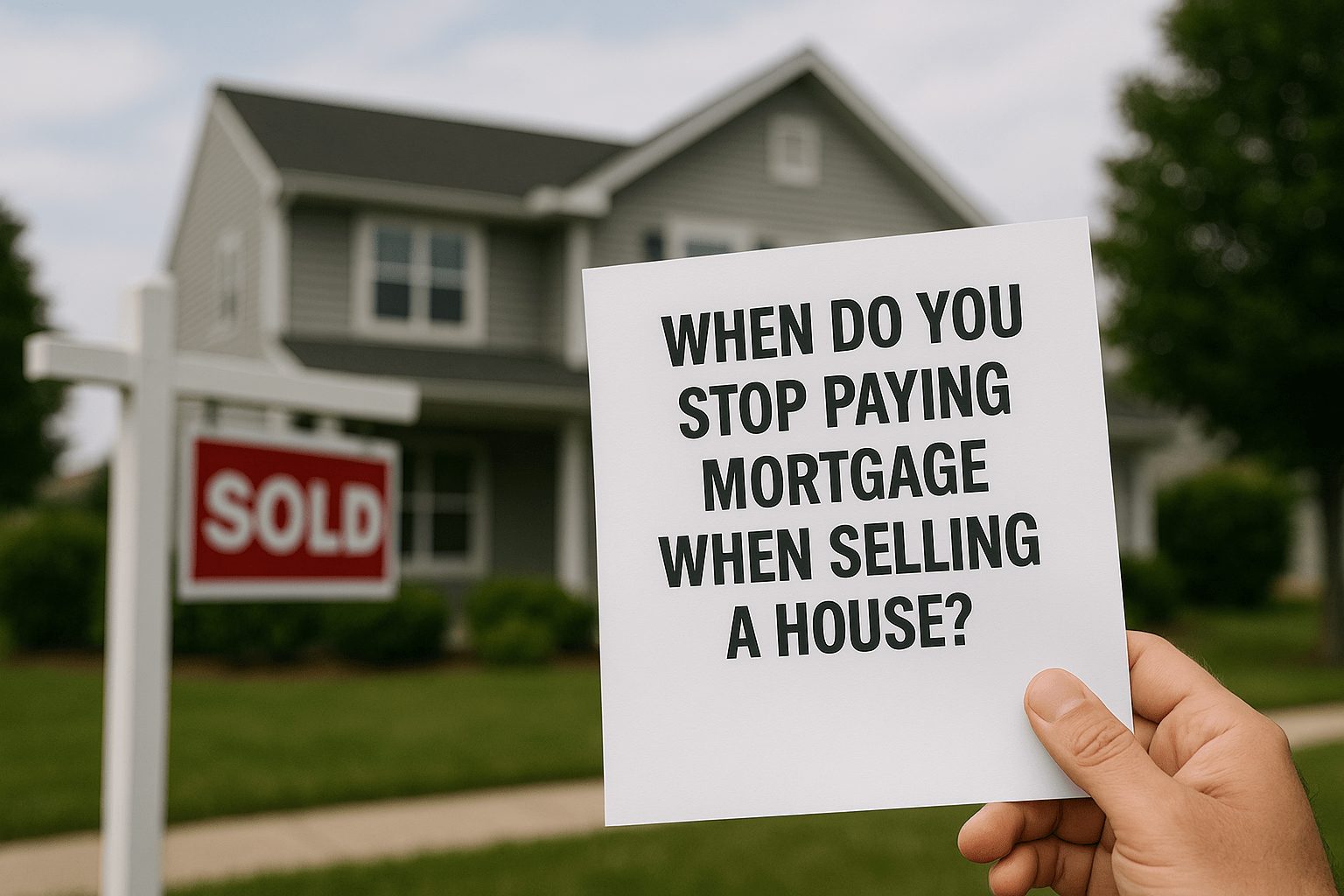
You stop paying your mortgage the month your home sale officially closes. Continue making regular monthly payments throughout the entire listing period, even after accepting an offer. Your lender requires your account to remain current until the closing date, typically the day the title transfers to the buyer and funds are disbursed.
Here’s how the mortgage payoff timeline works when selling your home:
- While listed: Keep making payments as usual
- After accepting an offer: Continue payments during inspections, appraisals, and buyer financing
- At closing: Sale proceeds automatically pay off your remaining mortgage balance
- After closing: Stop payments; any overpayment or escrow balance is refunded within 30 days
Selling a house with an existing mortgage is common, thousands of homeowners do it every day. The key is understanding exactly when your payment responsibility ends and how the payoff process works. This guide walks you through every step, from listing to closing, so you can navigate your sale with confidence. If you’re looking for a faster alternative, New England Home Buyers offers cash purchases that simplify the entire process.
How to Sell Your Home Before Paying Off the Mortgage
Here’s the good news: you don’t need to wait until your mortgage is fully paid to put your house on the market. Thousands of homeowners successfully sell their properties every day while still carrying a loan balance. Understanding the process empowers you to move forward with confidence. The Federal Housing Finance Agency provides oversight on mortgage transactions to protect consumers throughout this process.
What Happens When You Sell
Your sale proceeds pay off the remaining balance. At closing, the buyer’s payment goes directly toward settling your outstanding mortgage debt. The title company or attorney handling the transaction ensures your lender receives the amount owed before you see any funds.
Calculate your loan balance before setting a price. Pull your most recent mortgage statement or contact your lender for a payoff quote. This number determines your minimum sale threshold and helps you set realistic expectations for your profit margin. Homeowners in Manchester, NH who want to sell their house for cash often appreciate knowing their exact payoff amount upfront.
Aim to sell above what you owe. When your sale price exceeds your mortgage balance plus closing costs, you walk away with equity in your pocket. However, if market conditions or property value leave you underwater, owing more than the home is worth, you’ll either need to bring cash to closing or negotiate a short sale with your lender. Current market trends from Redfin’s Data Center can help you understand local pricing dynamics.

When Can You Stop Making Mortgage Payments While Selling Your Home?
This is one of the most common questions sellers ask, and the answer requires careful attention. Don’t assume you can skip payments once you accept an offer. Here’s exactly what to expect throughout the selling timeline.
Keep Paying While Your Home Is Listed
Your mortgage obligations don’t pause just because there’s a “For Sale” sign in your yard. Continue making your regular monthly payments during the entire listing period. This includes the weeks or months while potential buyers tour your property, submit offers, secure financing, schedule inspections, and complete appraisals. Sellers in Nashua and Portsmouth often ask about expedited timelines, cash buyers can significantly reduce this waiting period.
Your Payment Responsibility Ends at Closing
Mark this on your calendar: your final mortgage payment is due for the month your sale closes. Lenders require your account to remain current through the closing date, no exceptions. Even after you’ve signed a purchase agreement and the buyer has locked in their loan, you must keep sending those payments.
Stop making payments only after the title has officially transferred and the transaction is complete. Skipping payments early can damage your credit score, trigger late fees, and potentially derail your sale. The CFPB’s homeownership guide offers additional resources on managing mortgage payments during transitions.
How Your Mortgage Gets Paid Off at Closing
The closing process handles your mortgage payoff automatically, but understanding each step helps you avoid surprises and plan for your proceeds. Here’s exactly what happens behind the scenes.
Request Your Payoff Statement
A few days before your scheduled closing, contact your lender to obtain a payoff statement. This document shows the precise dollar amount required to satisfy your loan in full, including any accrued interest and fees. Your lender calculates this figure down to the specific closing date. Fannie Mae’s education resources provide helpful explanations of mortgage terminology and processes.
Understand the Payoff Deadline
Pay close attention to the expiration date on your payoff quote. Lenders typically honor this amount for only a few days beyond your expected closing. If your closing gets delayed, request an updated statement to ensure accurate figures.
Watch the Funds Transfer at Closing
On closing day, the title company or real estate attorney orchestrates the financial exchange. They collect the buyer’s payment and immediately wire the payoff amount directly to your mortgage lender. You don’t handle this transfer yourself, the closing agent manages everything. Whether you’re selling in Concord or Bedford, this process remains consistent across New Hampshire.
Collect Your Remaining Proceeds
After your mortgage balance is satisfied and all selling costs are deducted, including agent commissions, title fees, and transfer taxes, the remaining funds belong to you. Expect to receive your check or wire transfer shortly after the transaction finalizes.
What to Do When Closing Falls Near Your Mortgage Payment Due Date
Timing your final mortgage payment can feel tricky when closing day lands near your regular due date. Should you pay or hold off? Both options work, here’s how to decide which approach makes sense for your situation.
Option 1: Make the Payment and Get Reimbursed
Go ahead and submit your scheduled payment if you want peace of mind. When closing occurs shortly after, any overpayment gets refunded to you once the transaction finalizes. This approach keeps your account in good standing and eliminates any risk of late fees if unexpected delays push back your closing date.
Option 2: Skip the Payment and Let Closing Cover It
Planning to close before your due date passes? You can typically hold off on that final payment. Your payoff statement already factors in the amount owed, so the closing process settles everything at once. Just confirm your closing happens within the grace period to avoid penalties. Research from the Library of Congress real estate statistics guide shows that understanding these financial nuances helps sellers make better decisions.
Handle Negative Equity Situations
If your home’s sale price falls short of your remaining mortgage balance, you’re dealing with negative equity. In this scenario, you’ll need to bring funds to closing to cover the gap between what the buyer pays and what you owe your lender. Homeowners facing this situation in Dover or Rochester may want to explore cash sale options for faster resolution.
Get Professional Guidance
Talk to your lender and real estate agent before making a decision. They can review your specific payoff timeline, confirm grace period terms, and recommend the smartest strategy based on your closing schedule. HUD’s official website offers free counseling services for homeowners navigating complex selling situations.

Hidden Costs to Know Before Selling Your Mortgaged Home
Beyond the standard closing costs, two often-overlooked expenses can affect your final proceeds. Review these factors now so you’re not caught off guard at the closing table.
Check for Prepayment Penalties
Some mortgage agreements charge a fee if you pay off your loan before the term ends. This penalty exists because lenders lose expected interest income when you settle early. Before listing your home, dig out your original loan documents or call your lender directly to find out if a prepayment penalty applies to your mortgage, and exactly how much it will cost you. The National Association of Realtors research portal tracks how these costs impact sellers nationwide.
Understand How Prorated Interest Works
Your payoff amount includes more than just your remaining principal balance. Lenders calculate interest charges up to your exact closing date, so you only pay for the days you actually held the mortgage. For example, if you close on the 15th of the month, your payoff statement reflects interest accrued from your last payment through that specific day.
This prorated calculation ensures fairness, you won’t pay a full month’s interest when you only owned the home for half of it. Your lender handles this math automatically when generating your payoff statement, but reviewing the breakdown helps you verify the numbers are accurate.
Claim Your Escrow Account Refund
If your mortgage includes an escrow account for property taxes and homeowners insurance, you have money waiting for you after closing. Once your loan is officially paid off, your lender refunds any remaining escrow balance, typically within 30 days. Watch your mailbox for this check and follow up with your mortgage company if it doesn’t arrive within that timeframe. Freddie Mac’s CreditSmart program explains escrow accounts in detail for those wanting deeper understanding.
Settle All Home Equity Loans and Lines of Credit
Carrying a second mortgage, HELOC, or home equity loan? These debts don’t disappear when you sell, they must be paid in full at closing alongside your primary mortgage. The title company coordinates payoffs for all liens against your property, pulling funds from the buyer’s payment to satisfy each lender before releasing any proceeds to you.
Factor these additional balances into your net proceeds calculation early. If your combined debt across all loans approaches or exceeds your expected sale price, consult your real estate agent about your options before listing. Sellers in Salem and Londonderry dealing with multiple liens often benefit from working with experienced cash home buyers.

5 Steps to Sell Your Mortgaged Home Without Setbacks
Selling while carrying a mortgage doesn’t have to be complicated. Follow these practical steps to navigate the process confidently and protect your financial interests from listing day through closing.
Contact Your Lender Before You List
Pick up the phone and notify your mortgage company about your plans to sell. Ask them to walk you through their specific payoff procedures, timeline requirements, and any documentation you’ll need. This conversation uncovers potential issues early and establishes a direct line of communication for the weeks ahead. Framework Homeownership offers educational courses that help sellers understand lender communications.
Never Miss a Payment During the Sale
Your mortgage obligations remain active until the moment closing finalizes. Keep submitting those monthly payments on schedule, even after accepting an offer. Late or missed payments can damage your credit score and create complications that delay or derail your transaction.
Review Your Loan Agreement for Hidden Clauses
Pull out your original mortgage documents and scan for prepayment penalties, early payoff fees, or other restrictive terms. Understanding these details upfront prevents unwelcome surprises at the closing table and helps you accurately estimate your net proceeds.
Build a Team of Experienced Professionals
Partner with a knowledgeable real estate agent who has handled sales involving outstanding mortgages. Add a trusted mortgage professional to your team for guidance on payoff timing and lender negotiations. Their expertise streamlines the process and protects you from costly mistakes. Whether you’re in Hooksett, Merrimack, or Hampton, local expertise matters.
Map Out Your Proceeds Strategy
Calculate your expected funds after the mortgage payoff and closing costs are settled. Knowing this number in advance helps you plan your next move, whether that’s a down payment on your new home, paying off other debts, building your savings, or investing in your future.
Take Control of Your Home Sale Today
Selling a house with an existing mortgage is standard business in real estate, thousands of homeowners complete this process successfully every month. The key lies in understanding your responsibilities, staying current on payments until closing, and working with professionals who know how to navigate the payoff process efficiently. Government data from Data.gov’s real estate datasets confirms that mortgage payoffs at closing represent the majority of home sale transactions.
Armed with the knowledge from this guide, you’re now equipped to make informed decisions at every stage of your sale. Remember to request your payoff statement early, factor in all closing costs and potential penalties, and keep communication open with your lender throughout the transaction.
Don’t let an outstanding mortgage hold you back from your next chapter. Whether you’re relocating for business, upgrading to accommodate a growing family, or downsizing for retirement, selling your mortgaged home is entirely achievable.
Frequently Asked Questions
Can I sell my house if I still owe money on the mortgage?
Yes, you can absolutely sell your home with an outstanding mortgage balance. The proceeds from your sale pay off the remaining loan amount at closing. The title company handles this transaction directly with your lender, and any funds left over after satisfying your mortgage and covering closing costs belong to you.
When exactly do I stop making mortgage payments when selling?
Continue making your regular monthly payments until your sale officially closes. Your lender requires your account to remain current through the closing date. Only stop payments after the title has transferred and the transaction is complete, skipping payments early can hurt your credit and jeopardize your sale.
What happens if my home sells for less than I owe on the mortgage?
When your sale price falls below your remaining mortgage balance, you have negative equity. In this situation, you’ll need to bring cash to closing to cover the difference, or you may need to negotiate a short sale with your lender, where they agree to accept less than the full amount owed.
Will I get my escrow account balance back after selling?
Yes, your lender refunds any remaining balance in your escrow account after your loan is paid off. Expect this refund to arrive within 30 days of closing. If you don’t receive it within that timeframe, contact your mortgage company to follow up on the status.
Do I need to pay off my HELOC or home equity loan when I sell?
All liens against your property, including second mortgages, HELOCs, and home equity loans, must be paid in full at closing. The title company coordinates these payoffs automatically, using the buyer’s funds to satisfy each lender before releasing any remaining proceeds to you.