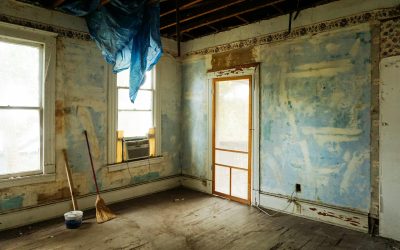
When water damage appears in your condominium, you need to address the problem and determine who’s financially responsible.
It’s not always as clear as water (pun intended) to determine who’s responsible.
Massachusetts law provides frameworks for dividing responsibility between unit owners, condo associations, and sometimes neighbors. Understanding these nuances is crucial for both financial protection and avoiding disputes. Whether you’re a condo owner or part of a condo association, here’s everything you need to know about water damage responsibilities in Massachusetts condos.
Who’s Responsible For Water Damage
Determining who pays for repairs and covers losses depends on the nature of the damage, where it originated, and what the condo bylaws stipulate. The key players involved are:
1. The Condo Association
Condo associations oversee and maintain the building’s common areas and shared systems. Responsibilities include:
- Roofs and exterior walls
- Shared plumbing systems
- Hallways, lobbies, and other communal spaces
If water damage originates in a common area, such as from a leaking roof or a burst pipe within a shared plumbing system, the association is typically liable. Massachusetts law often requires condo associations to maintain master insurance policies to cover such incidents.
2. Unit Owners
Individual condo owners are responsible for maintaining and repairing elements within their units, including:
- Personal appliances
- Plumbing fixtures servicing their unit only
- Interior walls, ceilings, and flooring
For example, if your water heater leaks and causes damage to your unit and others, you’ll likely be responsible for the repairs.
3. Neighbors
When negligence or maintenance failure from a neighboring unit causes water damage, the responsible party may be held accountable. For instance, if your upstairs neighbor’s washing machine overflows, their insurance might cover your damages.
4. Insurance Providers
Both unit owners and condo associations typically have insurance policies:
- Master Insurance Policies: Held by the condo association, these cover damages to common areas and structural components.
- HO-6 Insurance Policies: Held by unit owners, these cover personal property and interior unit damages, depending on the policy.
Insurance often plays a significant role in settling disputes and covering repair costs.
How to Determine Responsibility
When water damage occurs, the first step is determining responsibility. Here’s how to navigate this process:
1. Identify the Source of the Water
Knowing where the water originated is critical. For example:
- If the water is from a shared pipe, the condo association is likely liable.
- If it comes from an appliance in your unit, you may be responsible.
- If it’s from a neighboring unit, their liability may depend on negligence.
2. Review the Condo Bylaws
Condo bylaws outline the specific responsibilities of both the association and unit owners. These documents include:
- Master Deed: Details ownership boundaries and maintenance obligations.
- Declaration of Trust: Specifies how the condo association operates.
- Rules and Regulations: Clarifies everyday responsibilities for owners.
Bylaws are unique to each condominium and provide the ultimate guide for resolving disputes.
3. Check Insurance Policies
Understanding the scope of coverage is essential:
- Condo Association Insurance: Covers structural and common areas.
- Personal Condo Insurance (HO-6): Covers interior elements like walls, fixtures, and personal belongings.
Consulting your policy can clarify whether your situation is covered.
4. Consult a Legal Professional
When disputes arise, an attorney experienced in Massachusetts condominium law can help clarify responsibilities and assist in filing claims.
Examples of Water Damage Responsibility
To better understand how liability is divided, here are some common scenarios:
Scenario 1: Shared Plumbing Issue
A pipe servicing multiple units bursts and causes flooding. Responsibility typically falls to the condo association, as shared systems are under their jurisdiction.
Scenario 2: Personal Appliance Failure
A washing machine in your unit leaks and damages the floor and a neighbor’s ceiling. You are likely responsible, and your HO-6 insurance may cover the repair costs.
Scenario 3: Roof Leak
Water leaks through the roof and damages your ceiling. The condo association is responsible for repairing the roof, but you may need to use your own insurance for interior damages.
Scenario 4: Neighbor Negligence
An upstairs neighbor forgets to turn off their bathtub faucet, causing water to drip into your unit. Their liability depends on negligence, and their insurance may cover your damages.
Common Causes of Water Damage in Condos
Water damage can originate from a variety of sources, some preventable and others the result of external factors. Below are the most common causes:
1. Burst Pipes
Pipes can burst due to freezing temperatures, age, or sudden changes in water pressure. These incidents often affect multiple units or common areas, complicating liability.
2. Appliance Failures
Leaking dishwashers, washing machines, or water heaters are common culprits of water damage. Typically, unit owners are responsible for maintaining these appliances, making them liable for resulting damages.
3. Structural Issues
Leaks from roofs, windows, a bad foundation or exterior walls are usually related to maintenance issues in the building’s common areas. This type of damage often falls under the condo association’s purview.
4. Neighbor Negligence
Incidents like an overflowing bathtub or a leaking toilet in a neighboring unit can result in water seeping into your condo. Such cases often involve the neighbor’s insurance.
5. Natural Disasters
Flooding from storms or hurricanes can cause widespread damage, impacting both individual units and common areas.
Understanding the source of water damage is key to determining financial and repair responsibilities.
Steps to Handle Water Damage in a Condo
When water damage occurs, acting quickly can prevent further issues and ensure a smooth resolution. Follow these steps:
1. Notify Relevant Parties
Report the damage to your condo association, insurance provider, and any affected neighbors immediately.
2. Document the Damage
Take photos and videos of the affected areas. This documentation will be essential for insurance claims and resolving disputes.
3. Mitigate Further Damage
Take reasonable steps to prevent the damage from worsening, such as shutting off the water supply or using towels to soak up excess water.
4. Contact Your Insurance Provider
File a claim with your insurance provider if the damage falls under your coverage. Be prepared to provide documentation and details about the incident.
5. Collaborate with the Condo Association
Work with the association to determine responsibility and ensure timely repairs. This may involve reviewing bylaws and insurance policies.
6. Seek Mediation if Needed
If disputes arise over liability, consider mediation before pursuing legal action. Mediation is often faster and less expensive than litigation.
Preventing Water Damage in Condos
Prevention is the best strategy for avoiding costly water damage. Here are some practical tips:
For Condo Owners
- Inspect appliances and plumbing fixtures regularly for leaks or wear.
- Replace old water heaters and washing machine hoses.
- Install water alarms to detect leaks early.
- Avoid leaving appliances like dishwashers or washing machines running unattended.
For Condo Associations
- Schedule routine maintenance for roofs, gutters, and plumbing systems.
- Conduct regular inspections of common areas and shared systems.
- Educate residents about maintenance responsibilities and best practices.
Legal Considerations in Massachusetts
Massachusetts has specific laws governing condominium responsibilities, including water damage. Key points include:
- Massachusetts General Laws Chapter 183A: This law outlines condo association duties and unit owner rights.
- Duty to Mitigate Damages: Both owners and associations must take reasonable steps to minimize damages once discovered.
- Small Claims Court: Disputes under $7,000 can often be resolved in small claims court without requiring extensive legal proceedings.
Understanding these laws can help you navigate disputes effectively.
When to Sell a Condo with Water Damage
Sometimes, the costs and complications of repairing water damage can outweigh the benefits of keeping the property. Selling the condo may be the best option, especially if:
- Repairs are too expensive.
- Disputes with neighbors or the association are ongoing.
- Insurance payouts are insufficient.
Companies like New England Home Buyers offer cash for properties in any condition, allowing you to sell your condo without the hassle of repairs or extended negotiations.
Conclusion
Water damage in Massachusetts condos involves multiple parties, including unit owners, condo associations, and insurance providers. Identifying the source of the damage and understanding your rights and responsibilities are critical for resolving issues effectively. By reviewing condo bylaws, consulting insurance policies, and taking proactive measures, you can minimize risks and ensure a smooth resolution.
If you’re dealing with persistent water damage issues and are considering selling your condo, New England Home Buyers can offer you a hassle-free solution. Contact us today to learn more.