When siblings can’t agree on selling an inherited house, the disagreement can feel impossible to resolve. One sibling wants to sell, another wants to keep the property, and months pass with no progress. A partition action is the legal mechanism courts use to break that deadlock and force a resolution for jointly owned property.
How Does a Partition Lawsuit Work for Inherited Real Estate?
Inheriting a home alongside siblings sounds straightforward until the conversations start. When co-owners cannot agree on what to do with a property, Massachusetts law provides a legal remedy through the probate or superior court system. Any co-owner has the right to file a partition action, regardless of what the other owners want.
Who Can File a Partition Action?
Any person who holds a legal ownership interest in the property can initiate the process. You do not need the permission or agreement of the other co-owners to file. Once you file, the court takes over and begins determining the fairest way to divide or sell the asset.
In Massachusetts, these cases typically pass through the Probate and Family Court, especially when the property came through an estate. The court appoints a commissioner or referee to evaluate the property and report findings back to the judge.
What Happens After a Partition Case Is Filed?
Once the lawsuit is filed, the court notifies all co-owners named in the title. Each party has the right to respond and present their position. A judge will then review the circumstances, including the size of the property, the number of owners, and whether a physical division is even practical.
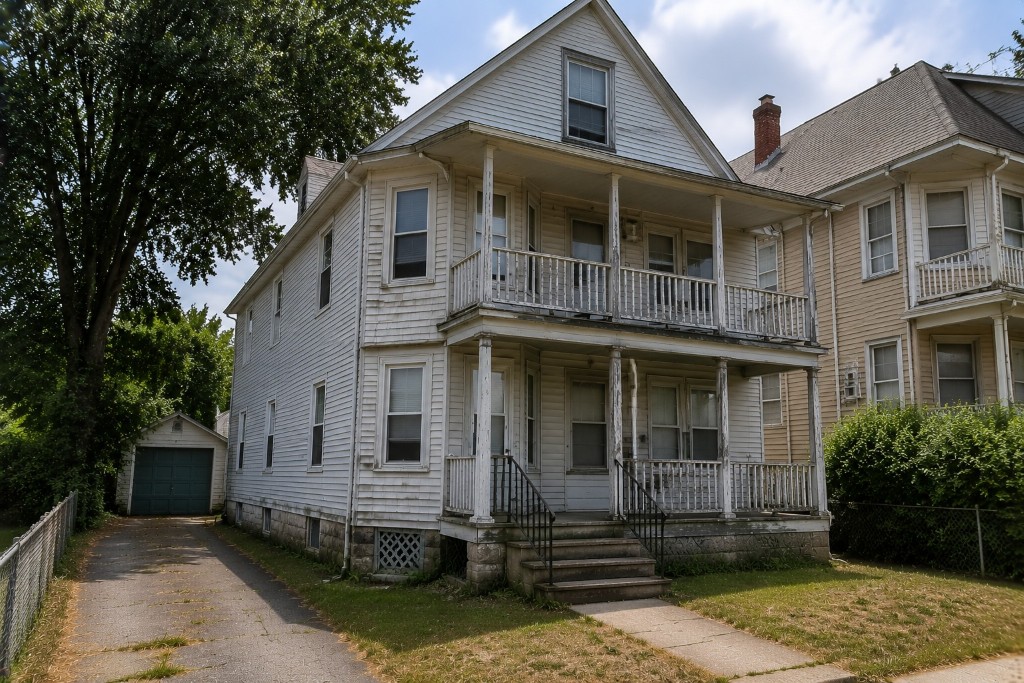
For most residential properties, especially single-family homes in areas like Gardner, MA, physically splitting the land between siblings is not realistic. Courts in these situations almost always move toward a forced sale of the home, where the property is sold, and the proceeds are divided among the co-owners according to their ownership shares.
Can Co-Owners Settle Before the Case Ends?
Settlement is possible at nearly any point during a partition case. Courts actually encourage it. If the co-owners agree before a judge issues a ruling, both sides can avoid the delays and costs that come with a full trial. Many families reach agreements during the partition process that they could not reach before it began.
What Is the Difference Between Partition in Kind and Partition by Sale?
Courts have two main tools when resolving co-ownership disputes: partition in kind and partition by sale. Each works very differently and produces a very different outcome for the owners involved.
Understanding Partition in Kind
Partition in kind means the court physically divides the property into separate portions, and each co-owner receives a piece they fully own. This approach works well for large parcels of land where a clean division is possible without destroying the value of either piece.
For example, if siblings inherit 40 acres of rural land, a court might divide it into separate lots and deed each one to a different owner. Each sibling then holds sole title to their portion and can sell or keep it independently.
Understanding Partition by Sale
Partition by sale means the court orders the entire property to be sold, usually through a public auction or a court-supervised sale process. The proceeds are then split among the co-owners based on ownership percentages after any debts or expenses tied to the property are settled.
A single-family home in a neighborhood is not something a court can cut in half and hand to two different people. In these cases, partition by sale is the practical and legal default.
Which Option Will a Court Choose?
Massachusetts courts generally prefer partition in kind when it is truly feasible, because it preserves each co-owner’s connection to the property. However, courts also recognize that forcing a physical division onto property that cannot support it would simply destroy value for everyone involved.
When the home in Newton is a standard residential structure, when the lot is small, or when a physical division would make either portion unmarketable, partition by sale becomes the court’s likely conclusion. The judge weighs the fair market value of the whole against what each separate portion would be worth, and rules accordingly.
How Long Does a Partition Action Usually Take in Massachusetts?
Partition cases are not quick. Filing the lawsuit is the easy part. The court process that follows involves scheduling, legal notices, property evaluations, hearings, and potentially an appeal if one party contests the ruling. Families who choose this path need to prepare for a process measured in months, not weeks.
What Costs Are Involved?
Partition actions are not free. Attorney fees, court filing costs, commissioner fees, and appraisal costs all add up. In some cases, the court deducts these expenses from the final sale proceeds before dividing the remainder. That means every co-owner shares in the cost, even those who did not want the lawsuit in the first place.
For inherited homes with meaningful equity, these costs may be manageable. For properties with lower values or significant existing debt, the legal fees can seriously reduce what each sibling actually walks away with.
Is There a Faster Way to Resolve This?
The partition process gives co-owners time to reconsider. Many families who started down the litigation path discover that agreeing to sell the home privately is faster, cheaper, and less stressful than waiting for a court to force the outcome. A private sale allows siblings to choose their own buyer, set their own timeline, and avoid the unpredictability of a court auction.
Frequently Asked Questions
What happens if one sibling refuses to sell the inherited house?
Refusing to sell does not give one sibling veto power over the others. Any co-owner can file a partition action in Massachusetts court, and the court can ultimately order a forced sale of the home even over one sibling’s objection.
How is the money split after a court orders the sale of inherited property?
The proceeds from a court-ordered property sale are divided based on each co-owner’s legal ownership percentage. If three siblings each inherited an equal one-third share, each receives one-third of the net proceeds after any outstanding mortgage, property taxes, legal fees, and court costs are deducted. Disputes over unequal contributions, such as one sibling who paid years of taxes on the home, are sometimes addressed separately before the final division.
Can siblings who can’t agree on selling an inherited house avoid going to court?
Resolving the disagreement outside of court is almost always worth pursuing before filing a partition action. Mediation, family negotiation, or agreeing to sell to a cash buyer are all options that save time and money. At New England Home Buyers, we work with co-owners in exactly these situations, offering a way to close on the property without the unpredictability and cost of a court process. When siblings can’t agree on selling an inherited house and want to avoid litigation, a straightforward sale to a buyer who understands the situation is often the most practical path forward.