Understanding the pros and cons of selling a house for cash can make the difference between a smooth closing and a transaction that falls apart at the worst possible moment. For homeowners in New England, the threat of buyer financing collapsing is not a distant possibility; it is one of the most common reasons home sales fail to reach the finish line.
How Often Do Mortgage Approvals Fall Through Before Closing?
Mortgage denials happen far more often than most sellers expect. According to industry data, roughly 1 in 10 mortgage applications that make it past the initial approval stage still fail before closing. The availability of financing can change with lending standards, interest rates, borrower qualifications, and broader economic conditions.
The Gap Between Pre-Approval and Final Approval
A mortgage pre-approval letter does not guarantee a loan. It is a preliminary review based on the buyer’s finances at one point in time. Between pre-approval and closing, a buyer’s situation can change significantly. A job change, a new car loan, or even a large credit card purchase can push their debt-to-income ratio above the lender’s threshold.
Sellers in Andover often feel safe once they accept an offer from a pre-approved buyer. That sense of security is understandable but can be misleading. The real approval decision is made after inspections, appraisals, and underwriting are complete.
How Lender Underwriting Creates Last-Minute Problems
Underwriting is the final stage of mortgage review, where loan denials most often occur. Underwriters examine every detail of a buyer’s finances, the property’s condition, and the appraised value. If anything falls outside their guidelines, they can deny the loan entirely.
A low appraisal is a common trigger. If the appraiser values your home below the agreed sale price, the lender may refuse to fund the full amount. The buyer would then need to cover the difference in cash or negotiate a lower price with you. Neither outcome is guaranteed.
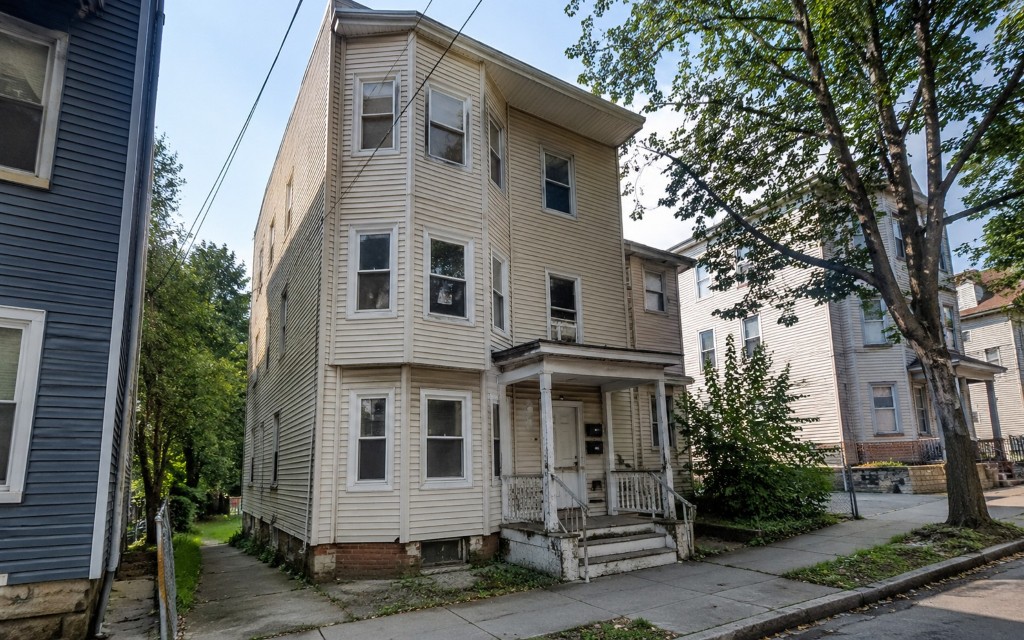
What “Mortgage Contingency” Really Means for Sellers
A mortgage contingency is a clause in the purchase agreement that protects the buyer. A properly drafted financing contingency may allow a buyer to terminate the agreement and seek return of the deposit if financing cannot be obtained, provided the buyer satisfies the contingency’s application, diligence, and notice requirements. That protection is reasonable for buyers, but it transfers significant risk directly onto your shoulders as the seller.
Every day spent under contract with a buyer who is waiting on financing is a day your home is off the market. Other serious buyers may have moved on during that window. Understanding this risk is a core part of weighing the pros and cons of selling a house for cash against a traditional financed sale.
Why Does a Cash Buyer Eliminate the Bank From the Equation?
When a buyer uses their own funds to purchase a home, no lender is involved. There is no underwriting process, no appraisal required by a financial institution, and no third party with the power to stop the transaction. The absence of a bank changes the entire risk profile of the sale.
No Loan Approval Means No Loan Denial
The most direct benefit of working with a cash buyer is simple: if there is no loan application, there is no loan denial. A cash offer removes the risk that the buyer’s mortgage loan will be denied, but other transaction risks may remain.
New England Home Buyers, for example, uses its own funds on every purchase. We are not waiting on a bank’s timeline or subject to a lender’s changing credit requirements. Once we agree on terms, the path to closing is not dependent on any outside approval process.
How Cash Offers Handle Appraisals Differently
In a traditional financed sale, the lender orders an appraisal to protect its investment. If the appraisal comes in below the sale price, the deal often stalls or dies. Cash buyers can decide independently how they value a property. Many cash transactions skip the lender-required appraisal entirely, or a buyer may waive the appraisal contingency.
This does not mean cash buyers overpay. It means the sale is not automatically derailed by one appraiser’s opinion on a given day.
What Sellers Give Up in a Cash Transaction
A balanced look at the pros and cons of selling a house for cash also requires honesty about the trade-offs. Cash offers in Groveland are frequently below full market value. Direct buyers may price their offers based on the property’s current condition, anticipated costs, and the structure of the transaction.
For some sellers, that price difference is worth the reduced risk and faster process. For others, maximizing the final sale price matters more. The right choice depends on your specific timeline, financial situation, and the level of uncertainty you are willing to accept.
What Happens to Your Timeline When a Buyer Loses Financing?
A deal falling through because of lost financing does not just delay a sale. It can disrupt your plans to move, restart a months-long search for a new buyer, and, in some cases, force you to renegotiate under less favorable market conditions.
Relisting After a Failed Sale Carries Its Own Risks
When a home goes back on the market after a failed contract, buyers notice. A property that has been relisted often triggers skepticism. Prospective buyers wonder why the first deal fell apart. Even if the reason was entirely the previous buyer’s financing problem, that stigma can affect offers on your next attempt.
Market conditions may change between the original contract and a later relisting, affecting inventory, competing listings, and buyer demand.
The Emotional and Financial Cost of Starting Over
Sellers who have already made moving plans, hired movers, or signed a lease for a new home face real financial pressure when a sale collapses. Carrying two sets of housing costs, even for a short time, adds up quickly. The emotional toll of restarting the process should not be underestimated either.
This is the kind of practical stress that rarely shows up in conversations about home-selling strategy, but it is one of the most honest reasons sellers explore cash options in the first place.
How a Cash Purchase Changes Closing-Date Negotiations
Because a direct cash purchase does not depend on mortgage underwriting, the parties may have different considerations when negotiating a closing date. The actual date still depends on the purchase agreement, title review, attorney coordination, property conditions, and other transaction requirements.
Frequently Asked Questions
What is a mortgage contingency and how does it affect me as a seller?
A mortgage contingency is a clause in a purchase agreement that allows a buyer to exit the deal without penalty if their loan is denied. While it protects buyers, it means you could have your home under contract for weeks, only to have the deal fall apart and need to relist. Sellers who want to avoid this uncertainty often find that cash offers provide a more reliable path to closing.
How much less should I expect from a cash offer compared to listing on the market?
Cash offers typically come in below what a financed buyer might pay through a traditional listing, though the exact difference depends on your home’s condition, location, and current market conditions. That gap is the trade-off sellers weigh against benefits like closing certainty and a simplified process. For some homeowners, the time saved and risk avoided make a cash sale the more practical financial decision overall.
Can a cash sale still fall through after I accept an offer?
Cash sales are significantly more reliable than financed transactions, but they are not entirely risk-free. A buyer could still back out due to inspection findings or a change in personal circumstances. The key difference is that there is no loan denial or lender appraisal to derail the deal, which removes the most common reason traditional sales fail before closing.