Massachusetts homeowners face a hard legal clock the moment a lender files for foreclosure. That auction date on your notice is not a suggestion. It is the final deadline before your home is sold to a stranger, often without any money coming back to you.
Massachusetts is what lawyers call a “non-judicial foreclosure” state. That means the lender does not need a judge to approve the sale. They follow a specific set of steps defined by state law, publish notices in the local newspaper, and then hold a public auction. The process moves faster than most homeowners expect, and by the time many families realize the severity of the situation, very little time is left.
Understanding how this process works is the first step toward protecting yourself.
What Happens at a Massachusetts Foreclosure Auction?
A foreclosure sale in Massachusetts follows a structured legal process. The lender, usually a bank or mortgage servicer, must first send you a notice of default. They are then required by law to publish the auction notice in a local newspaper once a week for three consecutive weeks before the sale.
On the scheduled date, the property goes up for public bid. Anyone who shows up with the required deposit can participate. The lender sets a minimum bid, which typically covers the outstanding loan balance plus fees. If nobody bids above that amount, the lender takes the property back. That outcome is called a bank-owned or REO property.
How the Bidding Process Works
The auction is held at the property itself or at a designated public location. Bidders must usually bring a certified check for a set deposit, often 5 to 10 percent of the purchase price, before they can participate. Bidding is open and competitive. The highest bidder wins the right to purchase the home, and they are expected to close the sale within 30 days.
There is no negotiation. There is no inspection period for the buyer. The home is sold as is, and the winning bidder accepts all title and condition risks.
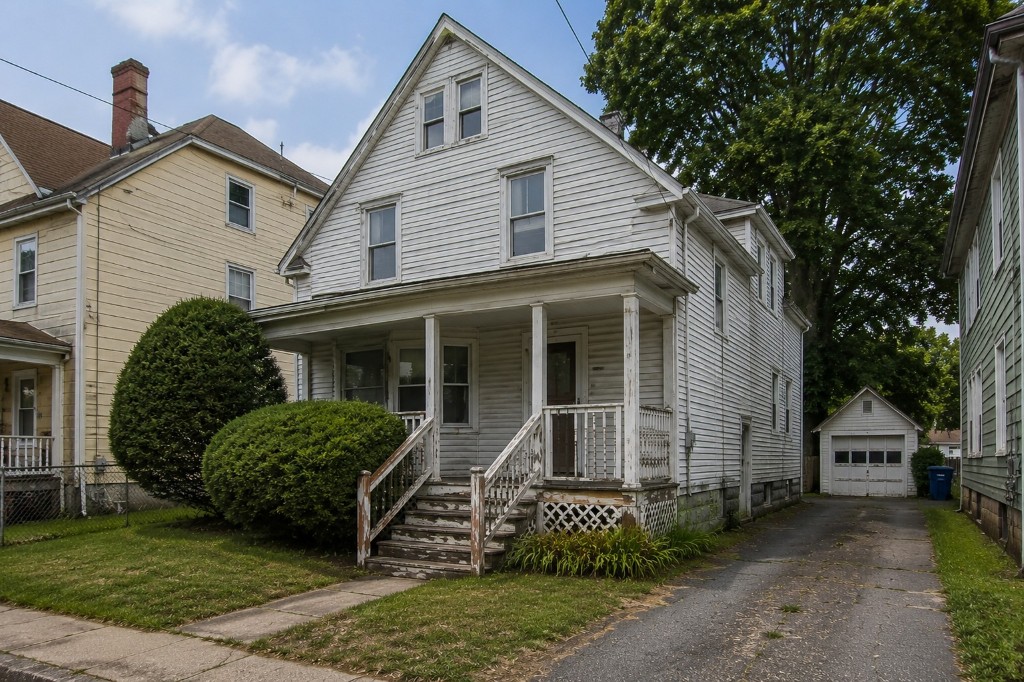
What Happens to Your Equity
This is where many Lexington homeowners are blindsided. If the auction produces a winning bid higher than what you owe, that surplus belongs to you in theory. But in practice, after the lender collects the full loan balance, plus penalties, attorney fees, and back taxes, there is often very little left. In some cases, nothing remains.
Equity loss is one of the most painful outcomes of a foreclosure auction. A home that might have sold for $350,000 on the open market could go at auction for far less, with the difference wiped away by fees and competing interests.
The Timeline Is Shorter Than You Think
From the moment the lender publishes the first notice to the auction date, Massachusetts law allows as little as 21 days’ published notice. Combined with the time that passed during the default and pre-foreclosure process, homeowners often discover they have only weeks, not months, to act.
Who Can Buy Your Home at a Foreclosure Auction?
Almost anyone can bid at a Massachusetts foreclosure auction. Investors, house flippers, hedge funds, and individual buyers all participate. Unlike a traditional home sale, you have no say in who buys your home or what they do with it afterward.
The Lender Can Become the Buyer
If no outside bidder meets the minimum price, the lender bids on the property itself. At that point, the home becomes bank-owned. You lose the property and still may owe a deficiency judgment if the sale price did not cover your full debt. Massachusetts law allows lenders to pursue this in certain circumstances, meaning the financial burden does not automatically end when the auction is over.
Investors Are Ready to Move Fast
Professional real estate investors attend these auctions regularly. They come prepared with cash, legal knowledge, and a plan to either flip or rent the home. Speed is their advantage. They are not emotionally attached to the outcome, and they have no reason to offer you anything beyond what the auction process delivers.
That is a very different dynamic from selling on your own terms before the auction ever happens.
Tenants and Occupants Have Limited Protections
If you are still living in the home when it sells at auction, the new owner can begin the eviction process shortly after taking title. Massachusetts has some protections for tenants in foreclosed properties, but as the former owner, I am limited in those protections. You could be facing both the loss of your home and a compressed timeline to vacate.
Why Is the Auction Date the Last Chance to Stop Foreclosure in Massachusetts?
Once the auctioneer calls the final bid and the gavel comes down, your options disappear. No appeals process pauses a completed sale. There is no redemption period in Massachusetts after a non-judicial foreclosure auction closes. The home legally belongs to someone else.
This is why the auction date functions as an absolute deadline. To stop foreclosure, Massachusetts homeowners must act before that date, not on it, and not after.
Your Options Shrink as the Date Approaches
Before the auction, several paths exist. You may be able to negotiate a loan modification, pursue a short sale, work out a repayment plan with your lender, or sell the property for its fair market value. Each of those options requires time. Loan modifications involve paperwork and lender approvals. Traditional listings can take months. Even an alternative to a sheriff’s sale negotiated through an attorney requires weeks of legal coordination.
When the auction date is weeks away rather than months, most of those doors are already closing.
Selling Before the Auction Protects What You Have Built
A direct sale to a cash buyer before the auction date is one of the most reliable ways to preserve your remaining equity and walk away with something in your pocket. We work with homeowners in pre-foreclosure across Massachusetts, including families in Boxford, MA, who are weighing every option under serious time pressure.
We do not require repairs, showings, or traditional financing. After reviewing your property details, we can provide a written cash offer for your consideration.
What “Stopping” the Foreclosure Actually Means
Stopping the foreclosure does not always mean saving the mortgage. Sometimes it means selling the home on your terms before the bank takes control. New England Home Buyers works with homeowners who understand they may not be able to keep the property but want to exit with dignity, protect their credit from the full damage of a completed foreclosure, and avoid the uncertainty of an auction outcome.
A completed foreclosure can stay on your credit report for up to 7 years. Selling before that point, even in a distressed situation, typically results in far less long-term damage.
Acting before the auction date is the only way to truly stop foreclosure in Massachusetts while you still hold the cards.
Frequently Asked Questions
How much time do I have before the foreclosure auction in Massachusetts?
Massachusetts law requires lenders to publish the auction notice for three consecutive weeks before the sale date. That means the minimum notice period is about 21 days from the first publication, though the full foreclosure process, from missed payments to auction, often spans several months. The safest approach is to treat any notice you receive as urgent and explore your options immediately.
Can I sell my house after the foreclosure auction has already happened?
Once the auction closes and the deed transfers to the new owner, the home is no longer yours to sell. Massachusetts does not have a post-sale redemption period for non-judicial foreclosures, which is how most foreclosures in the state are handled. Selling before the auction is the only way to retain control over the outcome.
Does selling to a cash buyer actually stop the foreclosure process?
When you sell your home before the auction date and the sale closes, the lender receives what they are owed from the proceeds. That payoff eliminates the underlying debt and stops the foreclosure from proceeding. New England Home Buyers coordinates directly with lenders and title companies to ensure the payoff is handled correctly, so the auction date becomes a non-issue.