When homeowners start comparing Opendoor vs. cash homebuyer options, the initial Opendoor offer can look very appealing. The number is fast; it arrives without showings, and the process feels simple. But what happens between that first number and the closing table is where many sellers are caught off guard.
Opendoor is what the industry calls an iBuyer, a company that uses automated software to generate home offers at scale. The model is built for speed and volume, not for individual circumstances. Understanding exactly how their process works and where the costs quietly add up helps you make a smarter decision for your situation.
Why Does Opendoor’s Final Offer Change After the Inspection?
Opendoor’s first offer is not their final offer. This surprises many homeowners, and it is one of the most important things to understand before you sign anything.
The Preliminary Offer Is an Algorithm, Not an Appraisal
Opendoor generates its initial offer using public data: recent comparable sales, square footage, neighborhood trends, and automated valuation models. No one walks through your home. No one looks at the roof, the foundation, or the electrical panel. That first number is essentially a data-driven estimate, and it will change.
Once you accept the preliminary offer and schedule the inspection, a licensed inspector hired by Opendoor visits your property. Whatever that inspector flags, from a leaking water heater to worn flooring to aging HVAC systems, gets translated into a dollar amount. Opendoor then deducts those repair costs from your offer.
How the Opendoor Condition Adjustment Works
The Opendoor condition adjustment is the mechanism that lowers your offer after the inspection is complete. You accepted an offer expecting a certain amount, and then, weeks later, you received a revised figure that was meaningfully lower.
These deductions are not negotiated in the traditional sense. Opendoor presents a revised offer based on their repair estimate, and you either accept the new number or walk away. Some sellers accept because they have already mentally committed to the sale and do not want to start over.
The condition adjustment varies by property and reflects Opendoor’s estimated cost of identified repairs or updates. Some homes may have little or no condition adjustment, while properties needing more work may receive a larger deduction.
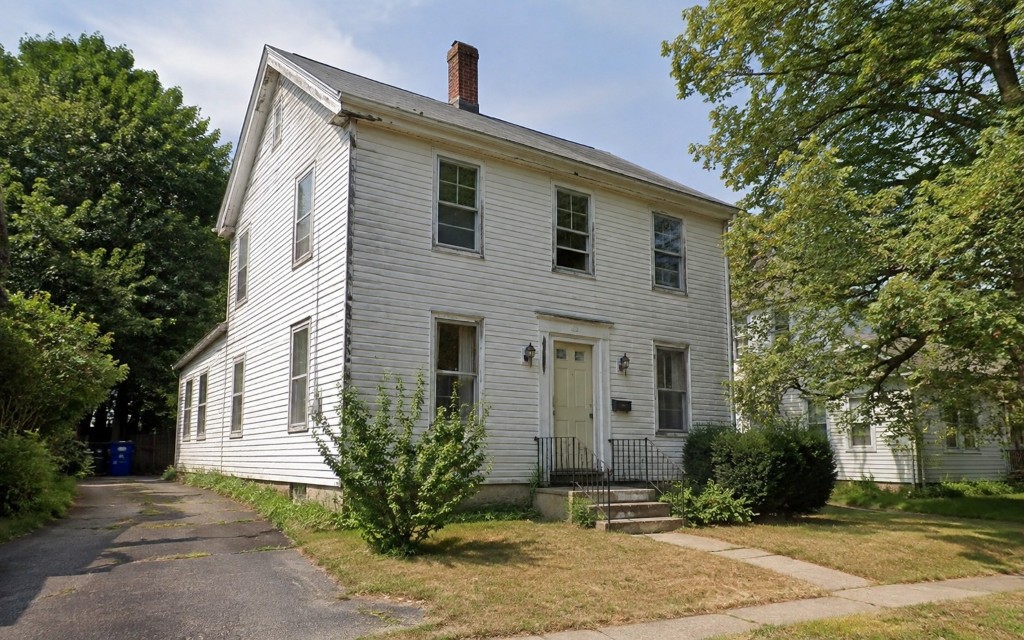
Distressed Properties and the iBuyer Problem
If your home in Hamilton needs significant work, an iBuyer model is often not the right fit. Opendoor applies property and market eligibility requirements, and not every home will qualify for a cash offer. Sellers should check the current criteria for their address rather than assuming every distressed or heavily damaged property is eligible.
What Are Opendoor’s Service Fees and How Much Do They Cost?
Beyond the inspection adjustment, Opendoor charges a service fee that functions similarly to a real estate commission. This fee is disclosed, but many sellers underestimate how much it reduces their net proceeds from the home sale.
Breaking Down the iBuyer Fee Structure
Opendoor charges a service charge that varies by offer and is disclosed in the offer breakdown. Opendoor’s May 2026 guidance states that the charge is typically about 5% of the home’s offer price, but sellers should review the exact percentage in their specific offer.
Closing Costs and Carry Costs You Still Owe
Service fees are not the only line items to watch. Sellers using Opendoor are still responsible for their share of closing costs, which typically run 1 to 3 percent of the sale price. If you need extra time to move, you may also pay for a “rent-back” arrangement, which adds another layer of cost.
Who the iBuyer Model Actually Works Best For
The iBuyer model makes the most sense for sellers who have a home in excellent condition, want a fast, predictable process, and are comfortable with the fee structure. If your home is newer, well-maintained, and located in a high-demand market, the convenience may justify the cost.
But for homeowners dealing with financial hardship, property damage, divorce, job loss, or any situation where the home is not in turnkey condition, the iBuyer model often creates more friction than it removes.
How Does Opendoor’s Offer Compare to a No-Fee Cash Buyer?
A direct cash offer comparison between Opendoor and a local cash buyer comes down to one core difference: how costs are structured and who absorbs them.
No Service Fees, No Commission, No Deductions
When we make a cash offer, there are no service fees layered on top. Our offer reflects the actual value we are paying for the property. We factor in the home’s condition up front, so there are no inspection-adjustment surprises after you have already accepted a number.
You also pay no real estate commissions because there are no agents involved on either side of the transaction. The offer we present is the amount you can expect to receive at closing, not a starting point for deductions.
Speed Without the Fine Print
The Opendoor vs. cash homebuyer comparison often focuses on speed over a traditional listing. But the inspection and revision period can still stretch the timeline in ways sellers do not anticipate. We work on your timeline and can often close faster than a traditional sale, without the back-and-forth that follows an inspection adjustment.
For homeowners in Arlington, MA, and surrounding communities, the difference in total time from first contact to closing can be significant, especially when carrying costs such as mortgage payments, taxes, and utilities accumulate each month.
Flexibility That Algorithms Cannot Offer
Opendoor’s model is built on standardization. Their software is designed to evaluate average homes in average condition. When your situation falls outside those parameters, you either get a lowball offer or no offer at all.
We take a different approach. Because we evaluate each property directly, we can work with homes and sellers that automated platforms simply are not designed to serve. That flexibility is not a marketing statement. It reflects how a local, direct buyer actually operates compared to a national algorithm-driven platform.
Frequently Asked Questions
How much does Opendoor actually charge in fees compared to a cash buyer?
Opendoor’s service charge varies by offer and is disclosed in the seller’s offer breakdown. Opendoor’s May 2026 consumer guidance says the charge is typically about 5% of the offer price. Sellers should also review any condition adjustment and applicable closing costs before comparing estimated net proceeds.
What happens if Opendoor lowers my offer after the inspection?
When the Opendoor condition adjustment is applied, you receive a revised offer that reflects the cost of repairs identified by their inspector. You can accept the new number or decline and pursue other options. After the assessment, Opendoor may apply a condition adjustment and present the final cash offer. Sellers can review the breakdown, ask questions, and decide whether to proceed. Opendoor also provides a process for requesting re-evaluation of an offer.
Is a local cash home buyer better than an iBuyer for a distressed property?
For homes with significant damage, deferred maintenance, or condition issues, a local cash buyer is usually the stronger option. iBuyers like Opendoor generally require homes to meet minimum condition standards and use the Opendoor vs. cash homebuyer gap to their advantage in pricing. A direct buyer can assess the property as-is and make an offer without first requiring repairs or meeting condition thresholds.